Back in the late 1990s, acclaimed strategy advisor Joseph Pine II made a prediction that sounded almost radical at the time. Businesses, he argued, would eventually compete on something far less tangible than products or services: experiences.
More than two decades later, Pine’s idea is still relevant with Mr. Peter Borer, former general manager of the Peninsula Hong Kong and current non-executive director of the Hongkong and Shanghai Hotels. As he puts it, “Experience is now part of the DNA of any company.”
And while leaders like him recognise the value of experience, many still struggle to understand the link between experience investment, design, and management and organizations’ business success and social reputation. That gap inspired The Chinese University of Hong Kong (CUHK), ranked #18 globally in the QS World University Rankings 2027, to launch the MSc in Leadership for Experience Economy (LEE).
“While consumers are willing to pay a premium for memorable moments, many organisations struggle to shift away from a seller-centred mindset,” says Dr. Jenny Tian, Programme Director of the LEE.
“CUHK’s LEE programme was developed to prepare leaders who can drive the experience transformation.”
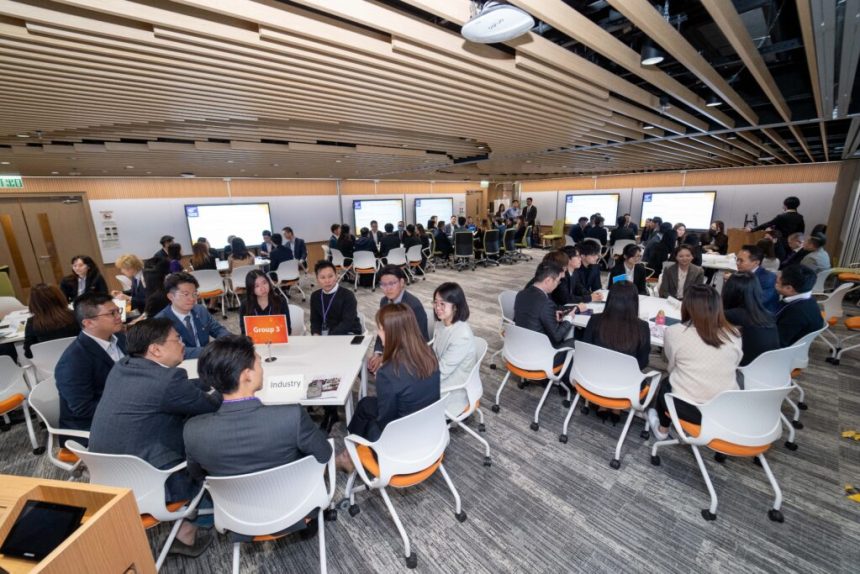
Empathy, investment and technology may seem like different worlds but the LEE programme combines them for you to develop a versatility. Source: The Chinese University of Hong Kong
A new model for business leadership
The LEE is the first programme of its kind in the Asia-Pacific region. It also draws on the business education expertise and resources of CUHK’s Business School, especially since experience shapes decisions across industries. Healthcare providers are redesigning patient journeys. Employers are investing in workplace experience to attract and retain talent. Retailers, event organisers, sports organisations, and community-focused enterprises are all asking the same question: how do we create experiences people genuinely value?
The programme answers that question through three interconnected focus areas of its curriculum: inspiration, investment, and innovation.
Inspiration starts with people; you will explore how leadership, culture, and change management practices influence the experiences organisations create for their employees and communities. Investment courses turn attention to the knowledge and skills required to develop or acquire physical properties and facilities that set the “stage” for immersive experiences. Innovation courses examine how technologies such as artificial intelligence, robotics, data analytics, and digital platforms can be integrated to create memorable, meaningful, and unique experiences.
What this looks like in practice is an interdisciplinary and solution-oriented curriculum. Digital Transformation in Experience Economy, for example, explores how digital technologies can design memorable and valuable customer experiences. Finance and Investment in Experience Industries shifts the conversation towards business decisions, so you’ll understand how to invest in experience-enabling spaces and ensure revenue streams in a fast-changing landscape.
Meanwhile, Leadership and Change Management in Experience Economy uses real-world examples and skill-building workshops to highlight what it means to motivate talents with well-designed workplace experiences, appropriate leadership styles and processes, and effective change management strategies.
And learning doesn’t stop at lectures. Across the programme, you will engage through digital platforms, simulations, gamified activities, design thinking exercises, and a capstone project that brings everything together.
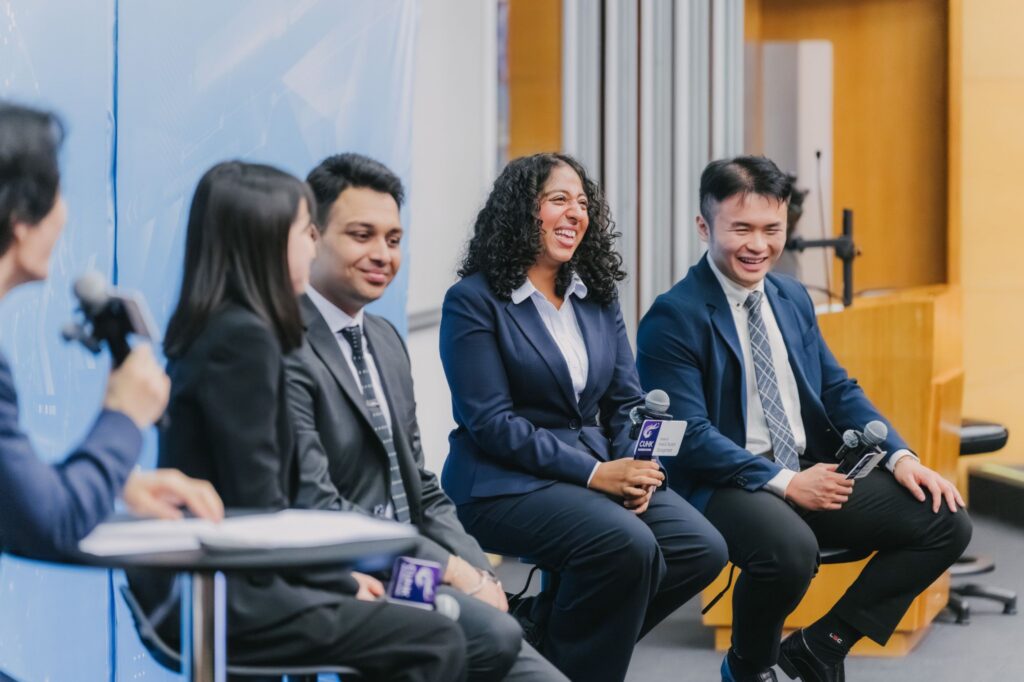
LEE graduates leave ready to create valuable experiences for both businesses and communities. Source: The Chinese University of Hong Kong
Mastering experience through experience
The LEE leverages the CUHK Business School’s exceptional business education resources and the extensive industry network of the School of Hotel and Tourism Management (SHTM). You’ll get to learn by doing, including through experiential workshops, visits to top organisations, and overseas field trips.
On campus, you can join mentorship programmes, workshops, forums, networking events, and the “Expert Insights Series” seminars to meet industry and academic speakers. These opportunities are designed to help you develop the broad skill set modern leaders increasingly need for emerging career opportunities in customer experience design and management, employee engagement, workplace transformation, experience consultancy, and business development.
“To thrive in the experience economy, leaders must blend analytical rigour with creativity, resilience with adaptability, and have a profound understanding of technology, investment, and humanity. These skills are likely to become even more important in the age of artificial intelligence,” SHTM Director Professor Robert Li says. “And the LEE programme addresses this critical gap in traditional business leadership education.”