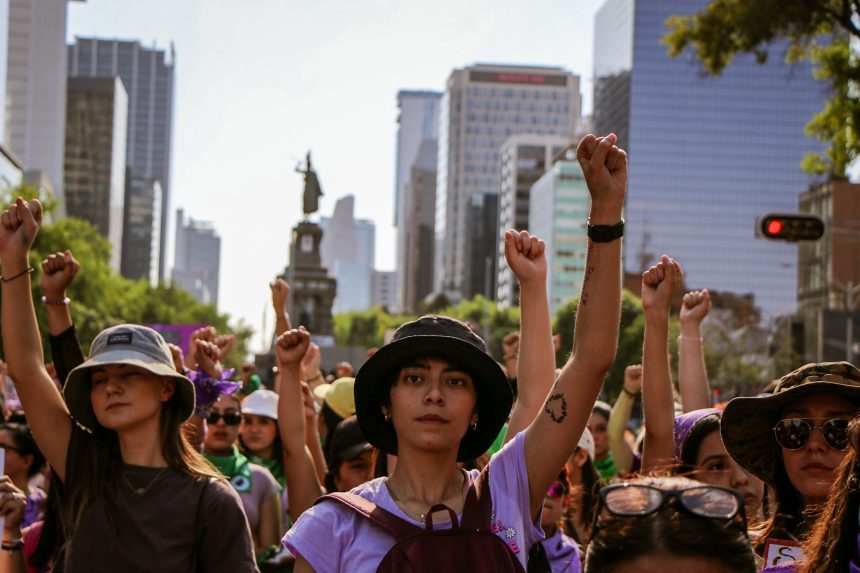
Everything is on the internet nowadays, and with it being so accessible, it’s pretty much a requirement to have sex education in schools.
Let’s cut to the chase: Children are smarter than we give them credit for. They start to discover the sensations of their bodies from as young as 18 months old through kisses and cuddles, and pick up the markers of sexuality through observation.
Today, the internet feeds their curiosity — and inappropriate content is everywhere.
According to a 2022 nationally representative survey by Common Sense Media of over 1,300 US teenagers, the average age of first exposure to online pornography is now 12 years old. More than half of teens (54%) reported seeing pornography before age 13, and 15% had been exposed as young as 10. Meanwhile, 73% of teens said they had seen pornography, with 44% having sought it out intentionally.
Our point? It’s never too soon to start sex education in schools — something that the world needs to pick up on.
In Asia and the Pacific, less than one in three students felt that sex education was taught well in their schools. In the US, less than half of adolescents received sex education before their first intercourse.
It begs the question…
Why is sex education in schools still so lacking?
Religious extremism
Religion and sex have long been in conflict with no sign of resolution.
Those with conservative religious beliefs view sex education in schools as anadvocate for everything it goes against in sex, gender identity, and sexual orientation.
Scott Morrison, the former prime minister of Australia,attests to this: “I don’t want the values of others being imposed on my children in my school, and I don’t think that should be happening in a public or private school.”
According to research in theBritish Journal of Religious Education, it’s also a power play. Religious figures fear that sex education “undermines their authority.”
A lacking curriculum
A writer onGlamour detailed her experience with sex education:“The majority of my sex education was focused on unprotected sex and pregnancy, but without being taught anything on contraception or how young people could practice safe sex. Like many others, I was left with gaping holes in my knowledge…”
Hers is one of many stories detailed in heraccount of poor sex education in school. It’s the result of a curriculum that’s, in many places, inherently sexist.
There are teenagers today losing their virginity without knowledge of consent or contraception. There are females wrought withguilt because they’ve been taught to feel ashamed if they lose their virginity, which holds many back from seeking help for sexual health.
Women’s reproductive rights remain in flux. Source: Anya Juarez Tenorio via Pexels
Conservatism
Sex education can counter gender stereotypes and misogyny. Yet, in many schools worldwide, the curriculum achieves the exact opposite.
“What I believe to be a misguided and harmful moral panic around transgender people that is having a knock-on negative impact on the entire LGBTQ community,” a writer onWomen’s Health says. “And I fear the hard-won steps towards inclusivity in sex and relationships education could be rolled back.”
Sex education in schools also tends to be heteronormative, the result of a conservative purview that dismisses same-sex relationships.
Why having sex education in schools is important
It’s all about harm reduction
No deity is going to magically stop teenagers from desire — but you can teach them healthy, safe sex.
Researchers from (NYU) compared the teen birth rates of 55 US counties which received funding from the Teen Pregnancy Prevention (TPP) programme, to the 2,800 counties that did not. The funding supports those counties in providing sex education to youths that is comprehensive and not just abstinence-based.
Teen birth rates dropped by 1.5% in the first year of funding and by 7% in the fifth.

Condom prices are rising in the UK. Source: cottonbro studio on Pexel
Avoiding sexually transmitted infections (STIs)
Comprehensive sex education in schools teaches students how to make informed decisions, especially when it comes to dodging STIs — something that could prove to be fatal.
“Young people deserve accurate and complete sex education in order to avoid STIs and mitigate their effects,”Guttmacher writes. “Programmes should provide students with accurate information about the prevention, transmission, symptoms, and treatment of STIs.”
Teen pregnancy is harmful to your body
Giving birth under the age of 20 more than strains your underdeveloped body.
According to theWorld Health Organisation, mothers aged 10 to 19 years are at higher risk of eclampsia (hypertensive disorders in pregnancy characterised by the sudden onset of seizures), puerperal endometritis (a postpartum infection), and systemic diseases than those in their 20s.
It’s as harmful for the child as it is for the mother. The baby may be underweight, premature, or diagnosed with severe neonatal conditions like sepsis or respiratory distress.
Not to mention, it’s bound to take a toll on their mental health.Hennepin Healthcare reports that teens are twice as likely to experience postpartum depression than those aged 25 and above.
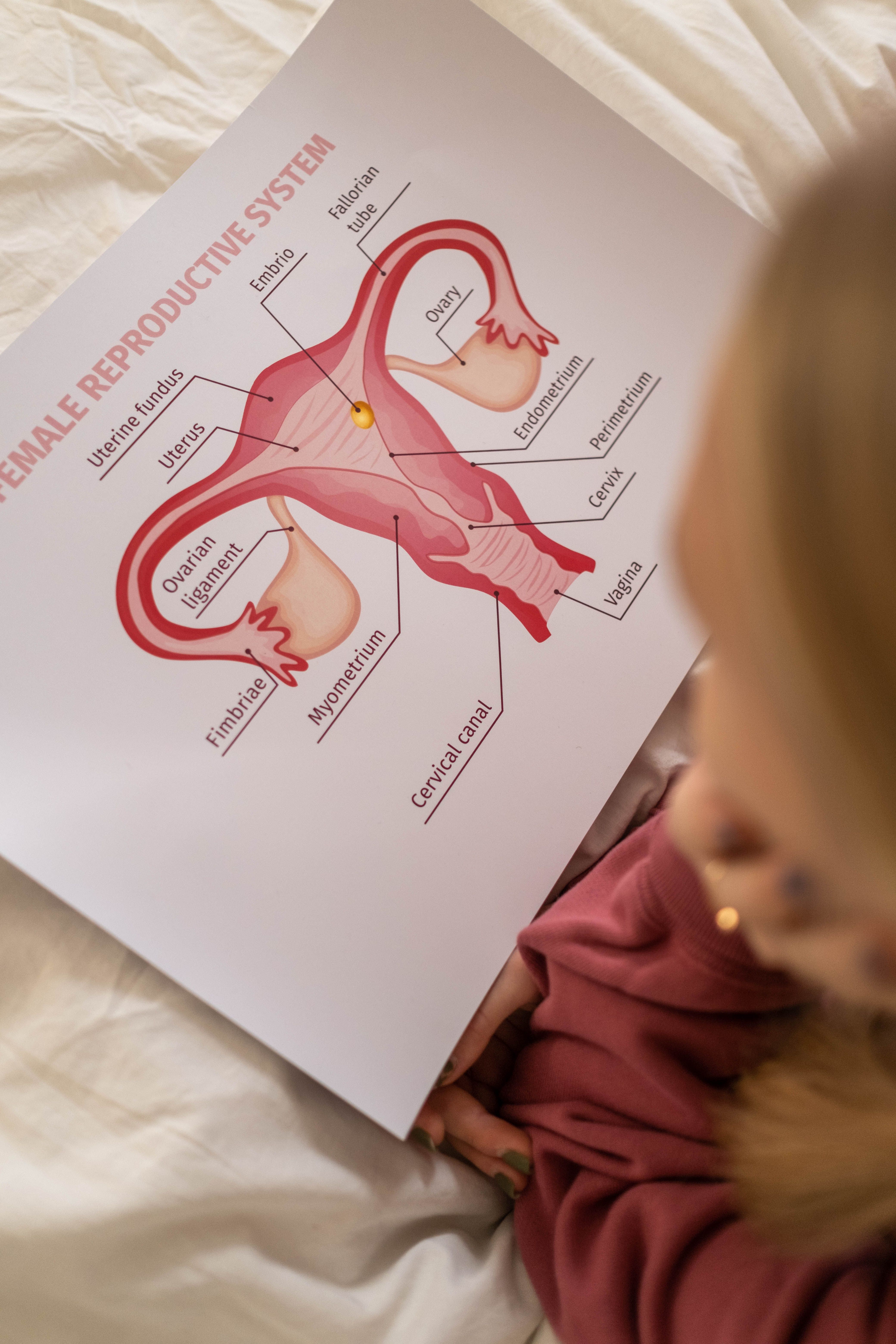
Comprehensive sexuality education (CSE) gives young people accurate, age-appropriate information about sexuality and their sexual and reproductive health. Source: Cottonbro Studios via Pexels
What is the best age to learn about sex education?
Figuring out the best time to start sex education in schools has been a debate for many years.
Some parents express concern that early sex education may expose children to complex topics prematurely, potentially leading to confusion or anxiety. For example, a mom in Scotland went off on a school for showingexplicit content to nine-year-olds without even giving parents a heads-up, resulting in her daughter’s distress.
However, many experts advocate forinitiating sex education at a young age, emphasising its benefits in promoting healthy development and safeguarding children.
It was found thatcomprehensive sex education beginning in kindergarten can prevent child sex abuse, reduce intimate partner violence, and foster a more inclusive environment for LGBTQ+ students.
Bottom line — sex education equips children with essential knowledge about their bodies and relationships. It gives kids the facts they need to make the right choices.
11 countries with sex education practices in schools
1. Netherlands
By law, all primary schools in the Netherlands must provide sex education. This is to ensure that students learn about topics like puberty, anatomy, contraception, STIs, relationships, and sexual orientation.
Keeping it real has led to the Netherlands havingone of the lowest rates of teen pregnancy and STIs in the world.
2. UK
Under the statutory guidance, all primary schools in the UK must teachRelationships Education, while secondary schools must provideRelationships and Sex Education (RSE).
In July 2025, the Department for Education published the first update to RSHE guidance since 2019. The new guidance — which schools must follow from 1 September 2026 — places greater emphasis on online safety, misogyny, and harmful content children encounter digitally.
It also introduces vaping education from primary level, more strongly encourages teaching same-sex relationships in primary schools, and stresses skills alongside knowledge, including helping children set boundaries and communicate in relationships.

Sex education in schools teaches students about sexuality, gender, and reproductive health. Source: Kari Alfonso via Pexels
3. Canada
Canada is one of the countries that implements sex education in schools. However, each province and territory isresponsible for creating its own curriculum.
While the content may vary across regions, most sex education programmes include topics such as anatomy, puberty, contraception, STIs, consent, and healthy relationships.
4. Nepal
While Nepal is generally considered a conservative and traditional society, that way of thinking does not apply to their approach to sex education in schools.
They introduced Comprehensive Sexuality Education (CSE) into the national curriculum to provide students with accurate and age-appropriate information about reproductive health, relationships, and personal well-being.
However, while some urban schools have embraced the programme, many rural areas still struggle with limited resources and resistance from conservative communities.
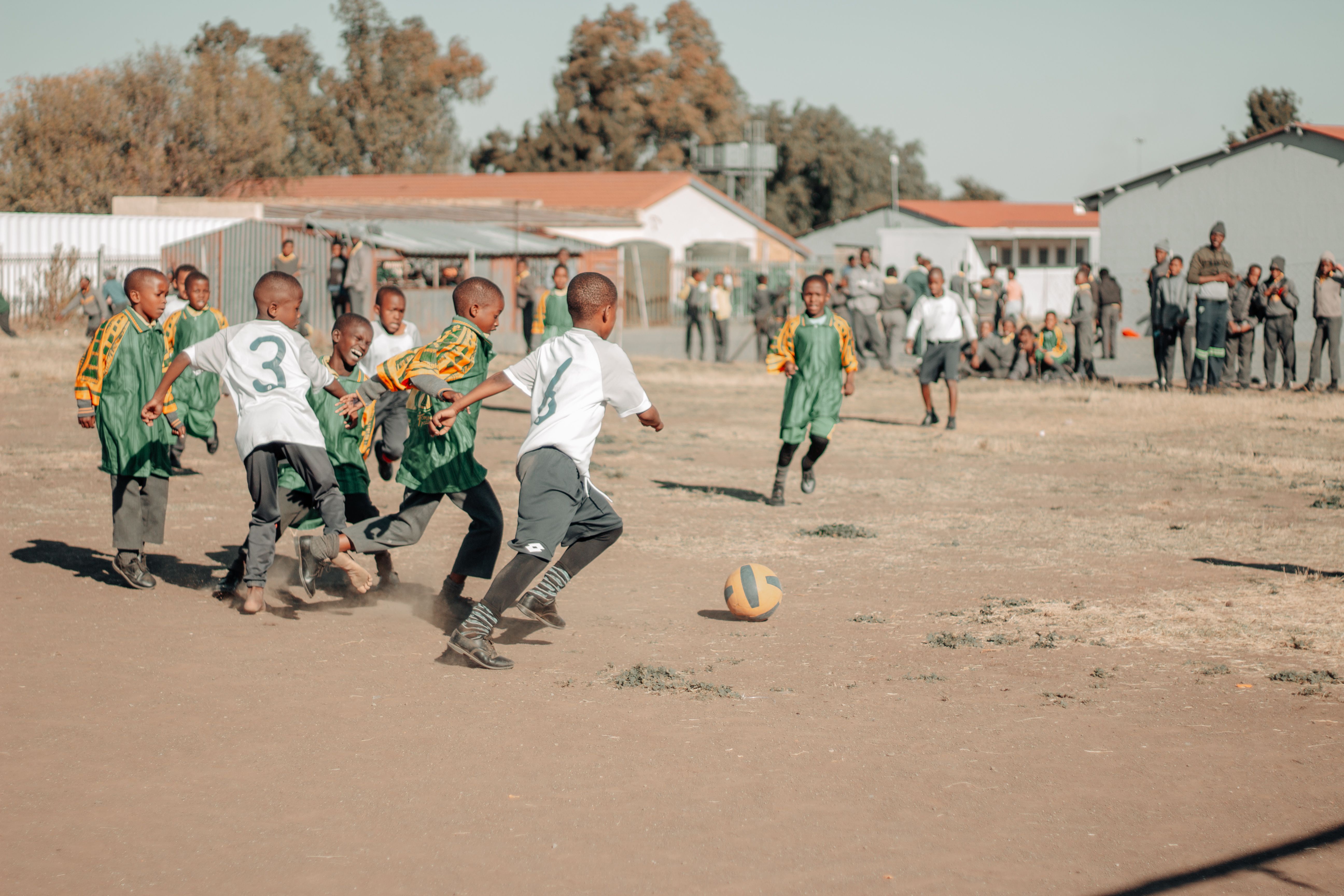
In South Africa, Comprehensive Sexuality Education was introduced in 2000 within the subjects of Life Orientation and Life Skills to ensure that learners do not get confusing and misleading messages on sex, sexuality, gender and relationships. Source: Thato Moiketsi via Pexels
5. South Africa
South Africa has integrated sex education into its school curriculum to ensure that students receive information about sexual education, health, and relationships.
To support educators in delivering these lessons effectively, the country has developedScripted Lessons Plans (SLPs) that align with the revised United NationsInternational Technical Guidance on Sexuality Education (ITGSE).
These structured materials help teachers cover essential topics such as consent, STIs, contraception, and gender equality. Teachers in South Africa even receive training to implement these lessons effectively.
6. Sweden
Sweden is not just one of the first countries to mandate sex education — it is the first country in the world to do so, making it compulsory in schools in 1955. It is also considered to have one of the best sex education programmes in the world.
Here, sex education starts at grade five, where they discuss topics like puberty, body development, and even masturbation.
7. Oman
Oman has taken steps to incorporate sex education into its school system, keeping in line with the cultural and religious values of the country.
The Ministry of Health has developed several school health education programmes, ensuring that students learn about adolescent reproductive health and puberty.
While the idea ofcomprehensive sexuality education in Oman remains lowkey,72.8% of parents have shown their support for these school-based programmes that adhere to Islamic principles and emphasise pre-marital abstinence.
8. South Korea
Sex education is a mandatory part of the school curriculum in South Korea, and students receive lessons from elementary through high school.The goal is to provide young people with knowledge about reproductive health, relationships, and personal safety.
According to a 2023 survey, about73.2% of female and 71% of male students reported receiving sex education in school.
Despite sex education being introduced as a mandatory subject in 1984, many still clap back at the idea. City schools in Seoul have included proposals toemphasise abstinence and limit discussions to heterosexual relationships, starting debates over inclusivity and effectiveness.
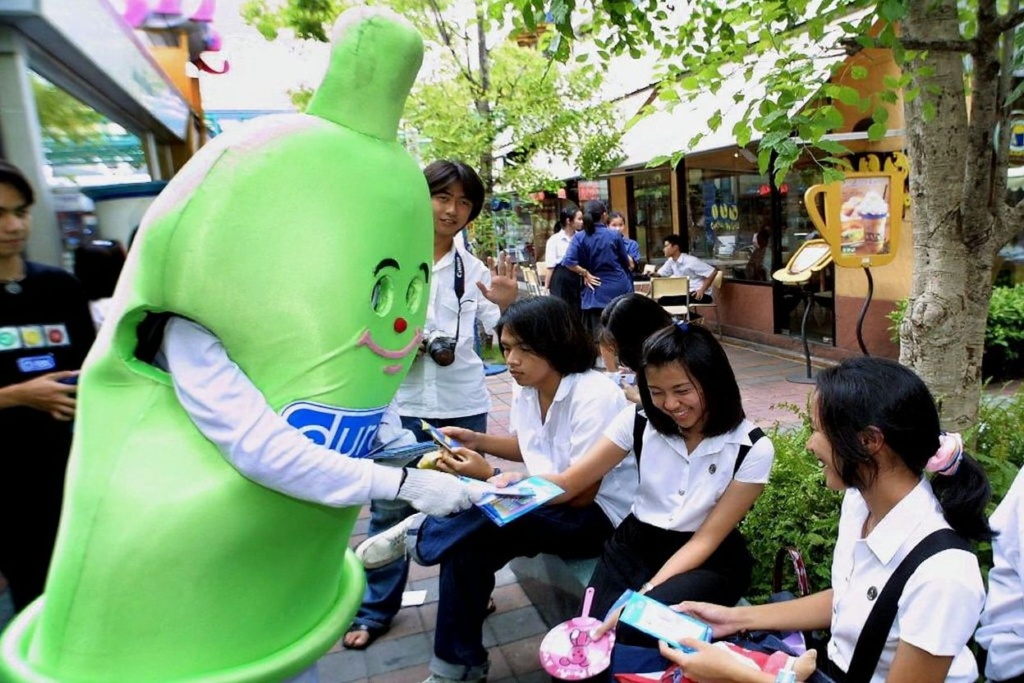
9. Thailand
Thailand has a long history of teaching sex education in schools, dating back to 1938 when the first national policy on sex education was introduced.
However, it wasn’t until 1978 that a formal curriculum was implemented, and even then, it was only taught in schools that were prepared to integrate it with other subjects.
Despite their efforts to improve it, they faced criticism.
A major turning point for sex education in Thailand came in response to the rising adolescent fertility rate between 2000 and 2012. To address this issue, the Royal Thai Government enacted the Act for the Prevention and Solution of the Adolescent Pregnancy Problem B.E. 2559 in 2016.
10. China
In China, comprehensive sexuality education in schools became mandatory in 2020 when the Law on the Protection of Minors was amended to require all schools, including kindergartens, to provide age-appropriate sex education to minors.
Despite this legal mandate, a national curriculum for sex education is still lacking, and implementation varies across different regions, with concerns about cultural taboos and the lack of teacher training.
In their effort to overcome this, the You & Me Sexuality Education Platform was developed to provide free resources for teachers, including lesson plans, videos, and interactive content. The platform has provided sex education for more than 2 million students in China since 2017.
11. Norway
Norway offers comprehensive sex education from as early as six years old.
The country incorporates Comprehensive Sexuality Education (CSE) into its national curriculum, ensuring that students receive age-appropriate and inclusive education.
Many Norwegian schools use a standardised teaching toolkit designed to promote holistic understanding and strong decision-making skills among students. Their approach emphasises sexual health, relationships, consent, diversity, and sexual rights.
Their aim is for young people to grow up with the knowledge and values necessary to make responsible choices and build healthy, respectful relationships.
12. Germany
Germany is one of Europe’s most progressive countries when it comes to mandatory sex education. Since a landmark 1968 federal recommendation and subsequent court rulings, sex education has been legally required in German schools, with parents having no right to withdraw their children from classes.
The curriculum covers puberty, reproduction, contraception, STIs, consent, and diverse sexual orientations and gender identities.
Germany’s approach is notable for its neutrality and scientific framing — education is explicitly designed to be free of moral or religious bias. Federal health body the BZgA (Federal Centre for Health Education) produces widely used teaching materials and runs public campaigns for young people, including online portals that allow teenagers to ask sex-related questions anonymously.
13. Uruguay
Uruguay stands out as Latin America’s most progressive country on sex education — and one of the few in the developing world to have built a genuinely comprehensive, nationwide programme.
The country made comprehensive sexuality education mandatory in all schools, from primary through secondary level, under a 2008 national law. Uruguay’s curriculum covers reproductive health, contraception, sexual rights, and LGBTQ+ inclusion, and it is backed by one of the region’s most liberal legal frameworks: same-sex marriage has been legal since 2013, and gender identity law protects the rights of transgender individuals.
UNESCO has highlighted Uruguay as a positive-deviant case — a lower-middle-income country that has sustained and scaled high-quality sex education for over a decade, with demonstrated improvements in student knowledge, attitudes, and behaviours.
Frequently asked questions about sex education in schools
At what age should sex education start?
Most experts and health bodies, including WHO and UNESCO, recommend beginning age-appropriate sex education in early childhood — as young as kindergarten — with content that evolves as children grow.
Early education focuses on body awareness, personal boundaries, and “safe” vs “unsafe” touch, not explicit sexual content. Research from Montclair State University found that comprehensive sex education starting in kindergarten can help prevent child sexual abuse and reduce intimate partner violence in later life. The key is appropriateness for age, not avoidance.
Does sex education encourage young people to have sex earlier?
No — the evidence consistently shows the opposite. According to UNESCO, comprehensive sex education does not increase sexual activity or encourage earlier sexual behaviour.
In fact, young people who receive thorough sex education are more likely to delay sexual debut, use contraception when they do become sexually active, and report fewer sexual partners. Abstinence-only programmes, by contrast, show no measurable effect on when young people first have sex.
Disclaimer: This article was last updated on June 24, 2026.