For international students, success in the US goes beyond academics. It means communicating across cultures, collaborating with people from different backgrounds and contributing confidently in professional environments.
At Clarkson University, students build these skills through team-based projects, research experiences, student organisations, and hands-on learning opportunities. The result is a powerful advantage in securing internships, co-ops and full-time jobs.
Among Clarkson’s signature experiences are the Student Projects for Engineering Experience and Design (SPEED) teams. With 13 student-run teams, Clarkson offers one of the highest concentrations of hands-on engineering design opportunities in the US. It’s open to students from any major.
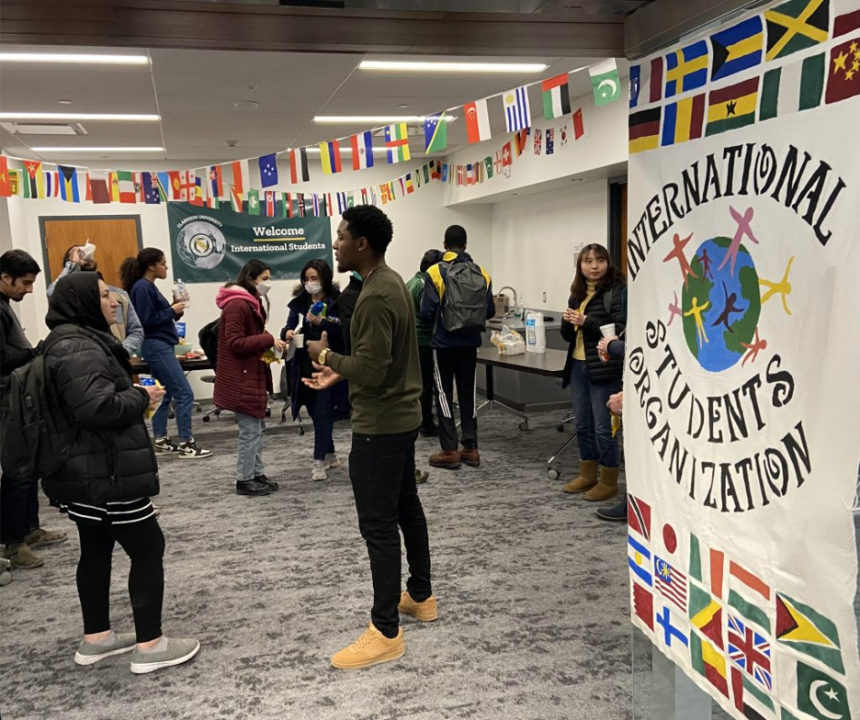
For Shazoi Hall, from Jamaica, involvement in the International Club and rugby teams helped his professional and self-development. He recalls participating on a SPEED team, specifically the intense collaboration and the fun of travel and learning new things about construction management.
“In all, the SPEED team was so crucial to my industry development, that I learned so many real-world construction skills – both technical and soft skills – that prepared me to enter the workforce,” says Hall, who is now a construction manager and recent Clarkson master’s graduate.
Shazoi Hall participated in a reboot of the International Students Organisation, while playing rugby and competing on a SPEED team. Source: Clarkson University
Learning to work like professionals
Clarkson students frequently work in multidisciplinary teams that mirror the environments they’ll encounter after graduation.
Engineering students collaborate with business students to evaluate the market potential of new technologies. Data scientists work alongside domain experts to solve real-world problems. Researchers contribute to project teams where success depends on communication, organisation and shared accountability.
For international students, these experiences introduce the collaborative culture common in American workplaces.
Professor Sumona Mondal finds that some master’s students in her data mining and capstone classes resist group work, but they come to see that the benefits outweigh the perceived drawbacks. “I track the projects, so I make sure the work is shared, to avoid the free rider problem, she observes.
This kind of mentoring ensures teams stay on course. In addition, “not everybody is best at everything,” notes Professor Mondal, adding that collaboration generates enthusiasm and ownership of the results. She sees evidence of this each semester after student groups present at the campuswide Research and Projects Showcase (RAPS). In the days immediately following the showcase, she sees students posting on LinkedIn about the positive experience of presenting with their team members.
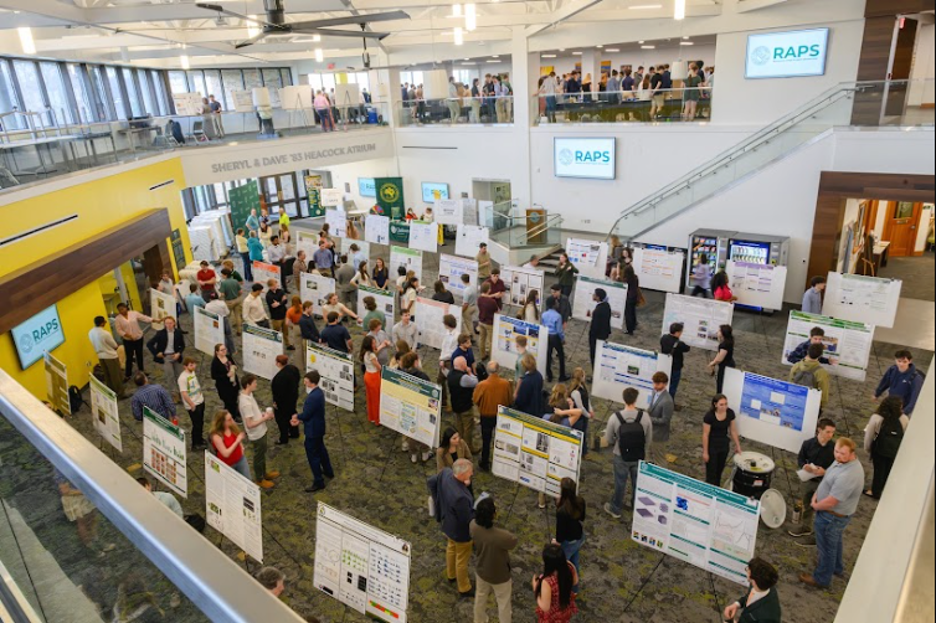
The Research and Projects Showcase includes poster sessions and pitch off presentations where student groups highlight the work. Source: Clarkson University
Why employers value team experience
Most organisations now rely more on teams than they do individuals to innovate, solve problems and serve customers. Thankfully, during internship and job interviews, Clarkson students can point to specific examples of teamwork, rather than simply saying they are “good team players.”
Recently, Emily Sheltry Kuno, Associate Director of Career Development, visited two employers that routinely hire Clarkson alumni. At one company that produces abrasives for commercial use, executives highlighted how Clarkson engineers arrive ready to learn and engage with others on a higher level than their peers from other institutions.
“The hiring managers look for graduates who are able to work well as part of teams through being outgoing self-starters,” she notes. “Our students function well as members of a team because they can be trusted to be outgoing and efficient in any situation and are often expected to work from home, the road, or the office on any given day of the week!”
At another site visit, leaders of a large construction firm shared that they appreciate how Clarkson students can work well in cross-disciplinary teams, asking good questions and doing their own research to understand how their work fits with the larger construction goal.
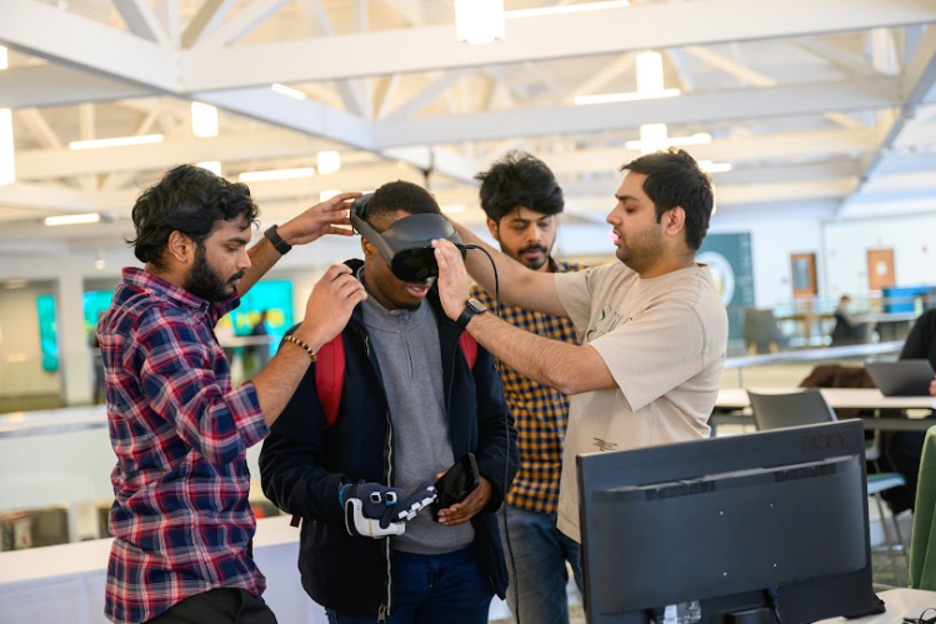
More than 40 student groups and presenters participated in the LEAP Summit 2026 dedicated to AI and machine learning. LEAP stands for Leverage Excellence, Approach and Partnerships. Source: Clarkson University
Beyond the classroom
Clarkson’s culture of collaboration extends well beyond academics.
Student organisations, engineering design teams, entrepreneurship competitions, athletics, residence halls, and community service projects all provide opportunities for students to work alongside peers from around the world.
For many international students, these experiences become an important part of building a professional network in the US.. Teamwork boosts their confidence too.
For Pruthviraj Prakash, a 2025 master’s graduate in Computer Science who now works at NVIDIA, working on facial recognition systems played a major role in shaping his career, exposing him to system-level development in a way he believes classroom assignments never could. All of this came about due to Pruthviraj’s opportunity to work in a faculty member’s lab.
“I had the opportunity to work alongside PhD students, and I learned a lot simply by interacting with them, asking questions, and understanding how they approached problems. Everyone approached problems differently, which made collaboration a natural part of the work,” he says.
“For me, the biggest lesson was that solving complex problems is rarely an individual effort. My experiences helped me become more comfortable working with people from different technical backgrounds. In industry, especially in AI, you often collaborate with software engineers, researchers, data scientists, and domain experts. Clarkson gave me an early opportunity to learn how to communicate across disciplines and understand different ways of thinking, which continues to help me in my career today.”
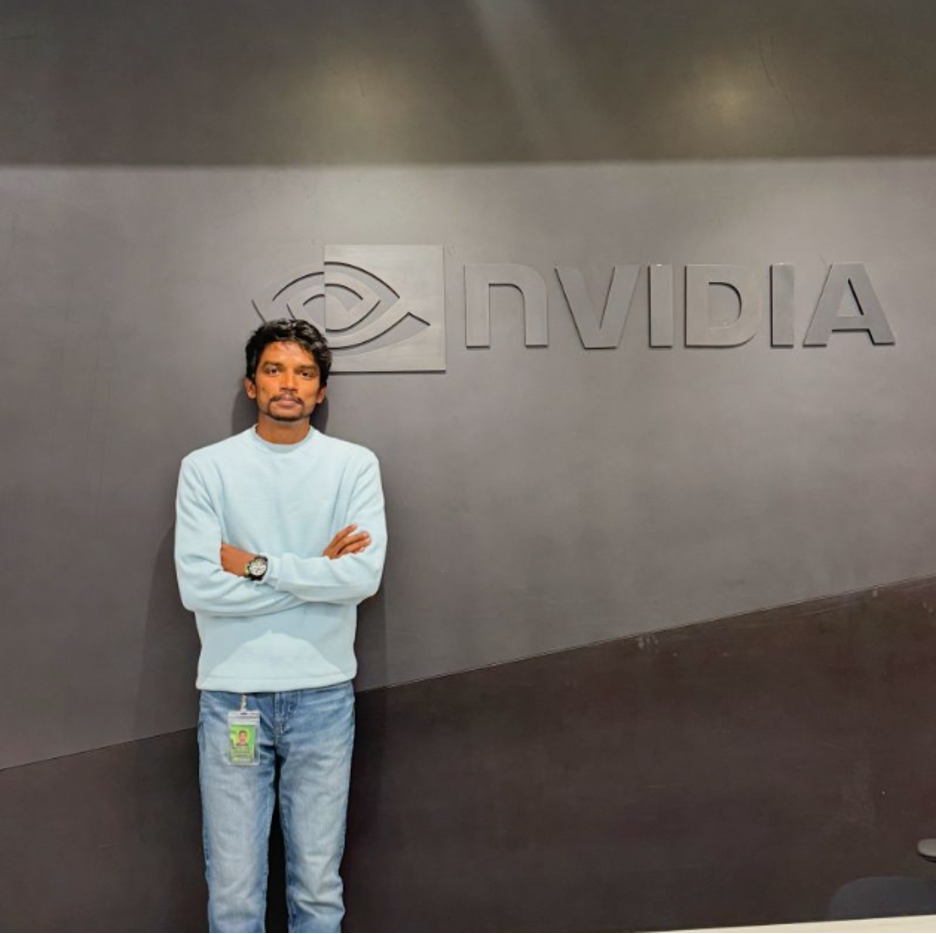
Pruthviraj Prakash, during his early days at NVIDIA, just after graduating with an MS in Computer Science from Clarkson. Source: Clarkson University
The Clarkson difference
In a world where innovation increasingly happens through collaboration, teamwork isn’t just a skill. It’s a superpower.
As President Michelle Larson has noted, “At Clarkson, learning and leading is a team sport. Students are provided countless opportunities to realise the value of showing up prepared and discover the joy of contributing to a broader good. Learning is not a solitary pursuit. It happens through teamwork and trust — during classroom lessons and community projects, in laboratories, on project teams, and on the playing field.”
For international students, it is also a pathway to belonging, professional growth and career success in the US.
With a career outcomes rate of 96% and more than 200 employers actively recruiting Clarkson students each year, the ability to collaborate effectively is helping graduates around the world.