Most countries charge international students far more than locals, since domestic fees are subsidised by taxpayers.
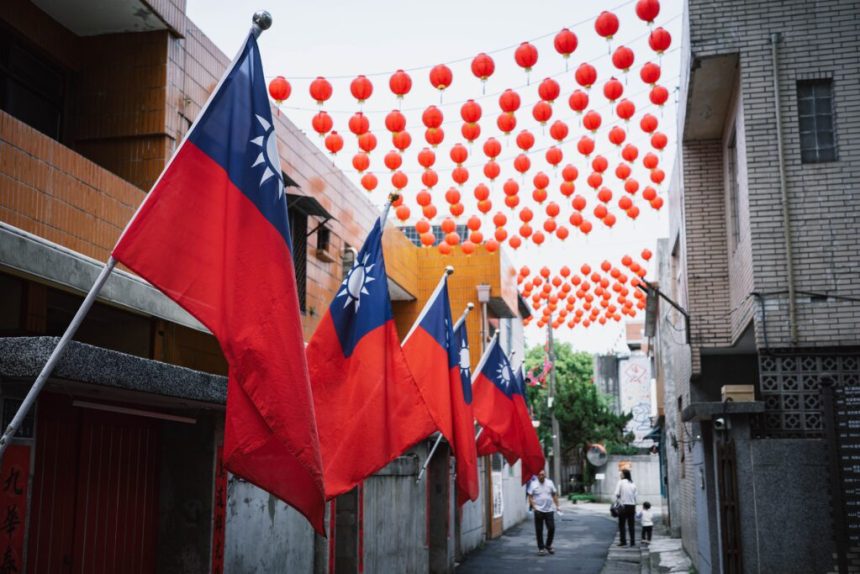
But Taiwan does things differently. If you’re part of the Chinese diaspora (aka ethnically Chinese), you typically qualify for local student tuition rates even if you’ve never set foot in China.
Malaysian content creator Briana Leong, known for her “Solo Date” series, benefited from this as one of Malaysia’s ethnic Chinese population. But she’s clear-eyed about why the discount exists: it’s not generosity, it’s strategy.
“The reason why they build affinity with Chinese diaspora is so that when these Chinese diaspora go back, they have an emotional attachment to Taiwan,” she told Study International — an attachment Taiwan can draw on for global support when needed.
These students have a name: “qiaosheng” or “overseas Chinese students.” The system dates back to Republic of China policy from 1912, when nationality law was built on ancestry — ethnic Chinese abroad weren’t treated as foreigners but as citizens living elsewhere. After the ROC retreated to Taiwan in 1949, that logic carried over, and qiaosheng students were once required to join military training and state programmes, treated as more than ordinary students.
The application process still differs from that of standard international students. Leong had to enrol in a Taiwan boarding school built specifically for this track and compete for a spot, just like local students would.
For students like Leong, the discount is a genuine win. But it’s also a reminder that scholarships and tuition breaks are rarely just about education. Often, they’re about who a country wants to feel like it belongs to.