Some degrees lead to more lucrative jobs than others.
Certain postgraduate degrees — such as a master’s or, better yet, a PhD — can land you jobs with the highest earnings and lowest unemployment rates of any education level.
According to theUS Bureau of Labor Statistics, high school graduates earn a median of US$930 per week, while bachelor’s degree holders earn US$1,543. Doctoral degree holders, on the other hand, earn US$2,278 per week — and carry an unemployment rate of just 1.2%.
Yet despite those returns, only1% of adults aged 25–34have earned a doctorate, according to the Organisation for Economic Co-operation and Development (OECD). That scarcity is precisely what makes the credential valuable.
The catch? The average PhD borrower graduates withUS$77,331 in student debt. That’s a significant financial burden to carry into a career, no matter how strong the long-term earnings outlook.
The good news is that where you study can change that equation entirely. There are countries where PhD programmes cost little to nothing — even for international students. The downside of pursuing a terminal degree disappears quickly when tuition does too.
TL;DR? Here’s the summary:
- Sweden, Finland, Germany, and Brazil charge no tuition fees for PhD programmes, including for international students.
- Norway, Denmark, the Netherlands, and Iceland treat PhD candidates as employees, paying a salary instead of charging fees.
- This article lists 14 countries that offer free or very cheap PhD programmes
Going abroad for your PhD can be worth it
There are many reasons to study abroad for your PhD.
You’ll be able to access unique research opportunities, study at globally reowned universities, expand your horizons and develop new interests.
Most importantly, there’s a chance to pay less for your degree.
Normally, full-time PhDs last for around three to four years, and those who enrol in three-year programmes often only finish their thesis in their fourth year.
Meanwhile, part-time PhDs can take up to six or seven years — and that’s not even considering the fact that the thesis deadline can be extended by up to four years at the institution’s discretion.
Naturally, as the years add up, so do your tuition, living, and other miscellaneous expenses when studying abroad.
Some PhD students are even forced to find part-time work just to make ends meet.
Luckily, however, there are a handful of countries where you can study for a PhD programme that won’t have you breaking the bank in your pursuit of quality knowledge.
The cheapest countries to study a PhD for international students
Sweden
A country that boasts a culture of ingenuity, invention, and innovation; the home of iconic brands and products such as Spotify, IKEA, and Bluetooth. Pursuing a PhD here may very well be an ideal choice, especially if your goal is to produce original, groundbreaking work and research.
The best part about pursuing a PhD in Sweden? It is free for all — including international students. Couple that with a relatively low cost of living (US$2,264 a month), and your future is in good hands.
Some institutions even offer generous PhD stipends or salaries in return for your work.
One thing to note is that this only applies to this terminal degree; non-EU/EEA students pursuing bachelor’s or master’s programmes will still need to pay for tuition, though even then, it’s still pretty affordable.
On top of it all, Sweden is home to some highly-ranked universities — seven of them are listed in the top 350 universities in the QS World University Rankings 2025.
The best universities in Sweden, KTH Royal Institute of Technology and Lund University, are ranked 74th and 75th respectively.
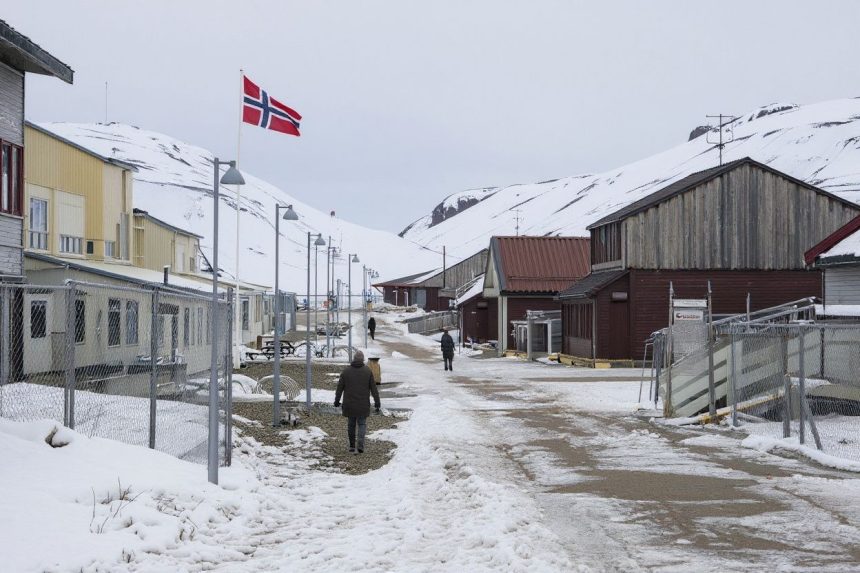
Norway is one of the cheapest countries to study a PhD, though if you’re averse to the cold, you might want to think twice about it.
Norway
Norway is another beautifu Nordic country that tops the list of cheapest countries to study a PhD in.
It prides itself on lifelong learning. Despite the small size of its higher education system, the country has many world-leading universities that deliver high-quality programmes, producing amazing artists, thinkers, and scientists, such as historian and playwright Ludvig Holberg, Edvard Munch who is best known for his iconic piece The Scream, and no less than 13 Nobel Prize winners.
While the country has no longer been a tuition-free option for international students beginning 2023, its fees still remain fairly affordable.
A notable thing about pursuing your PhD here is that PhD candidates do not have student status in Norway — you’re considered to be an employee instead. Therefore, no tuition fee is required, and you receive a salary.
However, universities will require you for funding that covers living expenses and necessary working capital. This can come in the form of doctoral research fellowships or affiliation with an academic community, institution, or similar.
Norway has two universities ranked in the top 350 of the QS World University Rankings 2025: the University of Oslo at #119 and the Norwegian University of Science And Technology at #264.

Besides being able to reap the benefits of a free education — international students who come to Finland get to bask in the spectacular views of an incredible natural phenomena witnessed in only a few parts of the word, such as the Northern Lights.
Finland
Finland is another Nordic country which tops our list of cheapest countries to study for a PhD for international students. The amazing scenery, safe cities and high quality of life are also great bonuses.
Like Norway and Sweden, studying for your bachelor’s or master’s is affordable here, and it doesn’t cost anything to pursue your PhD.
The reason? According to a European Commission 2023 Country Report report, Finland has the lowest tertiary education attainment rate among the 14 OECD countries, causing a “major bottleneck to innovation”. This highlighted the inadequate funding of PhDs and the shortage of skilled workers available in the country.
In an attempt to bolster its science-industry knowledge exchange, the Finnish government announced that they would fund 1,000 PhDs who have to finish in three years in late 2023.
The programme has been widely welcomed since then, The initial funding for the programme was US$281 million, but soon after, the government promised an additional US$269 million for even more doctoral training.
Over the course of 2024, the government pushed to increase the number of PhD graduates and strengthen the societal impact of PhD training.
This pilot programme, which began in 2024, saw the government allocate over 260 million euros (US$281 million) to test a new model for PhD education in Finland, aiming to increase the number of PhD graduates and strengthen the societal impact of PhD training.
Finland is home to four of the top 350 universities in the QS World University Rankings 2025 list. These includeAalto University at #113, the University of Helsinki at #117, Lappeenranta-Lahti University of Technology LUT at #336, and the University of Oulu at #344.

Germany offers some outstanding research opportunities for students and has even partnered with several organisations to foster application-oriented research.
Germany
Germany has always been known for its world-class education system, innovation, and low-cost tuition fees for its students. Now, international students graduating from German universities can look forward to initiatives that help them secure jobs in the country from 2024 to 2028.
Here, universities don’t charge PhD students tuition fees, but require them to secure funding.
Lucky for you, there are many ways to acquire that — whether through the university’s doctoral fellowships or the various funding programmes available.
8 German universities are in the top 150 of the QS World University Rankings 2025 list, and there’s 19 total if you’re looking at the top 350:

Not only do you get to enjoy quality education in France, you’ll also get to immerse yourself in the rich culture and life in the country throughout your studies.
France
Another country to make it to our pick of the cheapest countries to study a PhD in is France.
You may be surprised to learn that Paris is home to an impressively large selection of universities ranked at an international level. They offer excellent programmes, large international student populations, and have solid reputation among employers globally — more importantly, they offer affordability.
The last part is due not so much to the local cost of living — Paris is notoriously expensive — but to the fact that tuition fees are relatively low.
Under French law, candidates cannot pursue a PhD without funding — you need a contrat doctoral that gives you the right to a salary and other benefits like healthcare before you are accepted into a PhD programme.
In short, pursuing a PhD in France means you’re guaranteed beneficial returns.
Some universities might require you to pay an annual tuition fee — Sciences Po requires 391 euros (approximately US$436) — though some universities don’t, so keep an eye on that.
10 universities in France are found in the top 350 of the QS World University Rankings 2025 list. The four that make it into the top 150 are the Université PSL at #24, the Institut Polytechnique de Paris at #46, Sorbonne University at #63, and Université Paris-Saclay at #73.
Estonia
A pleasant surprise you might find on this list is none other than the picturesque Estonia.
All education is free at the PhD level in this Northern European country, so it is time to give it its due consideration. You may even receive additional grants and other scholarship opportunities, such as through the Estophilus scholarship, which is granted to foreign doctoral students and researchers staying in Estonia and conducting research or collecting material about the country for a period of 1-5 months.
Estonia’s best-ranking university is the University of Tartu, at #358 on the QS World University Rankings 2025 list.
It’s Estonia’s national university, and earning a doctoral degree here positions you for a career in academia: a total of 62 researchers from the University of Tartu belong to the top 1% of most-cited researchers in the world.
The university offers eight doctoral programmes (further divided into specialisations), all of which fall under one of four centres for doctoral studies: humanities, social sciences, medicine and sport, and science and technology.
Austria
If you are looking for one of the cheapest countries to pursue a PhD, Austria should definitely be on your radar.
Public universities in Austria charge little to no tuition fees for PhD students, especially if you’re from the EU/EEA. Even if you’re a non-EU student, the tuition is still affordable at around 726.72 euros per semester.
The University of Vienna, ranked among the top 150 universities worldwide, is one of the best institutions in the country to pursue your PhD.
Fun fact: Vienna has been ranked the “world’s most liveable city” multiple times, so you’ll be advancing your career in a great environment.
Denmark
Denmark is a solid choice if you are looking to pursue a PhD without breaking the bank.
Here, most PhD positions are structured as paid jobs, meaning you don’t pay tuition fees; instead, you actually receive a salary while you study. You will literally be getting paid to do your research.
PhD students in Denmark earn around 32,000 DKK (US$5,038.98) per year.
The University of Copenhagen, ranked in the world’s top 100 universities, is considered the best place to pursue a PhD in the country, with strong research programmes across science, technology, and social sciences.
Even though the cost of living in Denmark can be high, the salary you get as a PhD student usually covers your expenses, so you won’t have to stress over rent or groceries.
Czech Republic
On the hunt for a budget-friendly PhD? Czech Republic is definitely worth checking out.
Public universities here often offer PhD programmes with zero tuition fees if you study in Czech, and even in English. The fees are super low compared to other European countries, costing around 500 euros (US$587.88) to 3,000 euros (US$3,527.25) per year.
Charles University in Prague, one of theworld’s top 250 universities, is an excellent choice for pursuing your PhD. As one of Central Europe’s oldest and most prestigious universities, it provides a strong research environment and a wide range of English-language programmes.
Prague isn’t just the capital, it’s also one of the most student-friendly cities in Europe, full of history, nightlife, and affordable coffee spots to fuel you as you pursue your PhD.
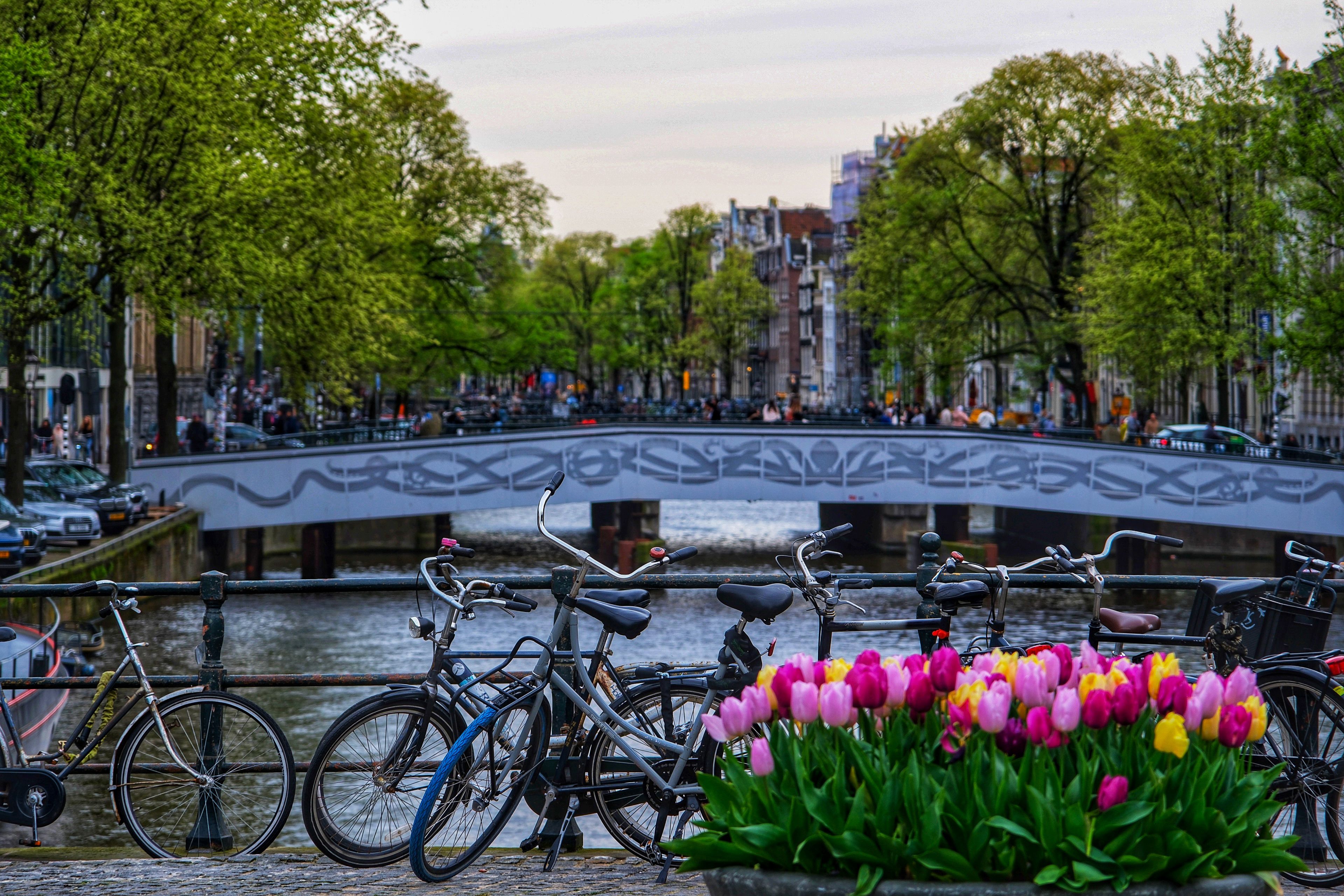
The Netherlands keeps PhD costs manageable with funded positions, student-friendly cities, and living expenses that are lower than many major study destinations. Source: Pexels
Netherlands
The Netherlands punches well above its size when it comes to research output and university prestige — home to institutions consistently ranked among Europe’s finest, including Delft University of Technology at #48 and the University of Amsterdam at #60 in the QS World University Rankings 2027.
Most PhD students at Dutch universitieshold employee status, meaning they receive a salary and pay no tuition fees. Where fees do apply — for self-funded or external candidates — they vary by institution, ranging from a low tariff of around€400 (US$454) per year to a high tariff of €2,800(US$3,181) per year at institutions like Leiden University.
Either way, it remains far cheaper than most English-speaking alternatives.
Living costs sit at around€1,000 (US$1,136) to €1,500 (US$ 1,704) per month, depending on the city. Amsterdam and Utrecht sit at the higher end, while Groningen, Enschede, and Maastricht are noticeably more affordable.
There are13 Dutch universities in the QS World University Rankings, with nine of them improving their positions in 2026.
Iceland
Iceland may be small, but its approach to doctoral education mirrors that of its Nordic neighbours. PhD programmes at public universities in Icelandcarry no tuition fees— they operate as paid positions, with universities offering competitive salaries to doctoral researchers. A small annual registration fee of around€400 (US$454) to €750 (US$852) applies, covering administrative costs rather than instruction.
The main institution to pursue a PhD is theUniversity of Iceland,ranked #537 in the QS World University Rankings 2027. It is the country’s oldest and largest university, with a strong emphasis on research across science, engineering, and the humanities.
The main trade-off is the cost of living. Reykjavík is expensive — the University of Iceland puts the minimum monthly support figure atapproximately €1,735 (US$1,971), though students who budget carefully and take on part-time work can manage on less. For the right candidate, the combination of free doctoral study and Iceland’s unmatched natural environment makes it a compelling, if unconventional, choice.
Funding opportunities include theIcelandic Research Fund, which supports PhD researchers, as well as scholarships offered by individual institutions.
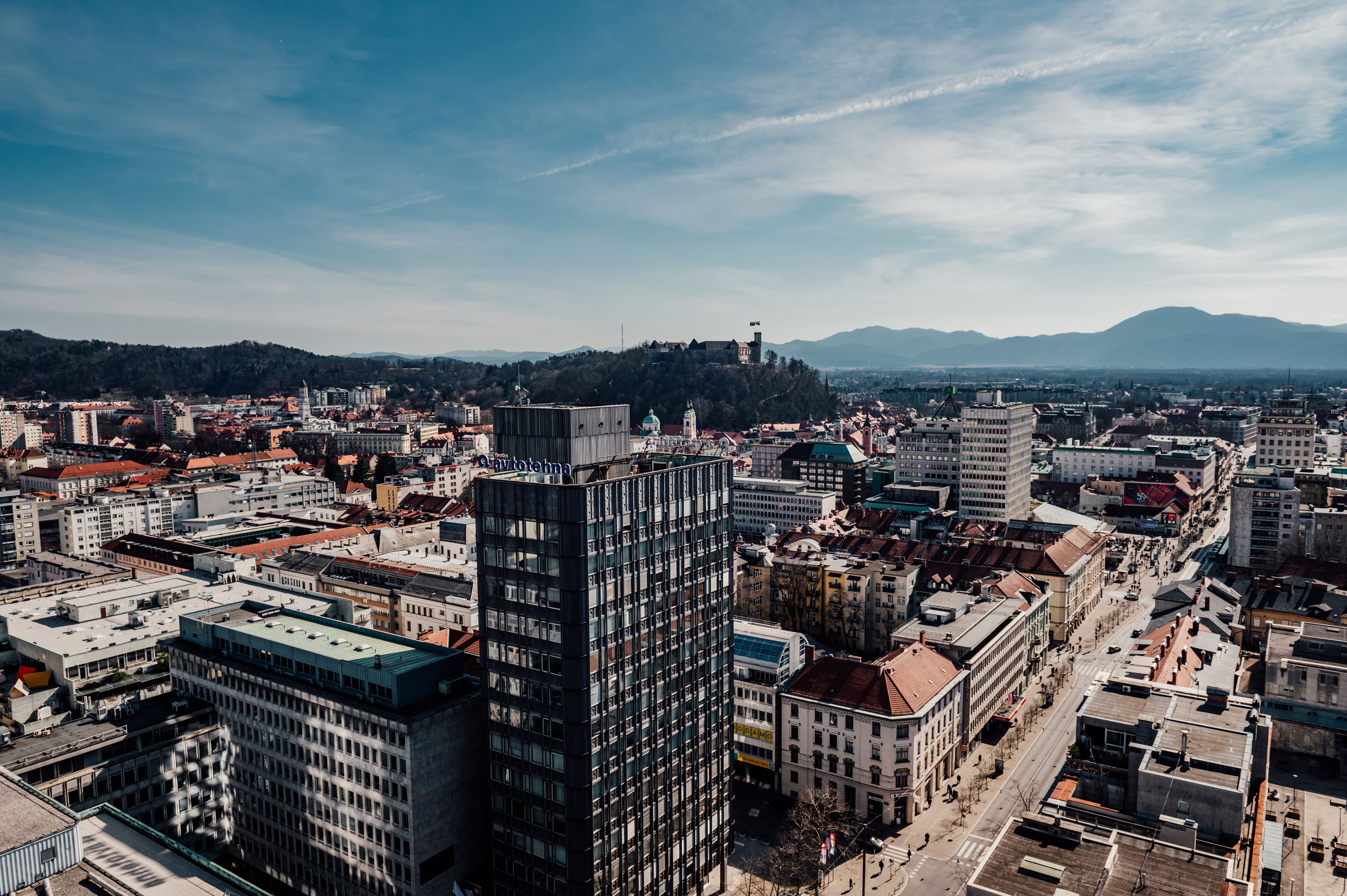
Slovenia is one of Europe’s hidden gems for doctoral students, offering a comfortable lifestyle without the high living costs. Source: Pexels
Slovenia
Slovenia sits quietly in the heart of Europe, bordered by Italy, Austria, Hungary, and Croatia — and it offers one of the most underrated PhD funding models on the continent. All doctoral students at theUniversity of Ljubljana — Slovenia’s flagship institution, ranked in the top 3% of universities globally — have access to aco-funding scheme that partially covers tuition fees.
Beyond that, the university’sYoung Researchers programme provides full employment contracts for up to four years, covering tuition entirely and paying a net salary of around €1,240 (US$1,409) per month, alongside transportation and lunch allowances. The scheme is open to international students.
For those outside these funded positions, tuition at public universities ranges from€2,000 (US$2,272) to €6,000 (US$6,818) per year for doctoral programmes — still affordable by European standards.
Portugal
Portugal has one of Europe’s oldest academic traditions — the University of Coimbra, founded in 1290, is among the oldest universities in the world and a UNESCO World Heritage Site. Today, 11 Portuguese universities feature in the QS World University Rankings 2026, led by the University of Lisbon at #237 and the University of Porto at #255.
PhD tuition fees at public universities are set by individual institutions rather than a central government cap. For international students from outside the EU/EEA, doctoral fees typically range from €2,500 (US$2,843) to €6,000 (US$ 6,823) per year, depending on the institution and field of study — low by Western European standards and significantly below what you would pay in the UK or Ireland.
The overall cost of living is noticeably lower than most other Western European countries. According to FindAPhD’s Portugal guide, PhD students can expect to spend around €550 (US$625) to €750 (US$852) per month, covering accommodation, food, and general living expenses.
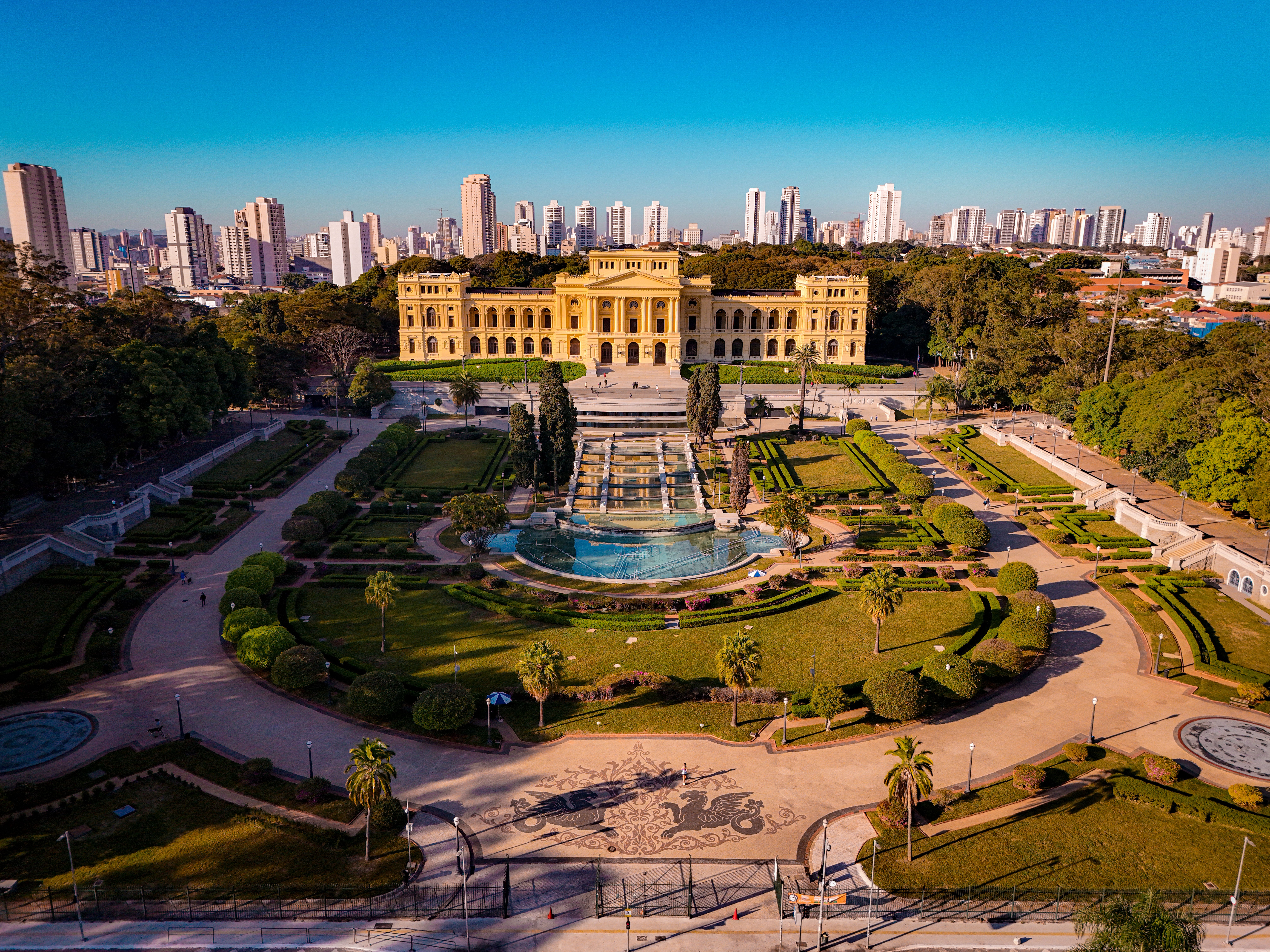
Pursuing a PhD in Brazil gives international students access to rich research culture and lower study costs compared to many Western countries. Source: Pexels
Brazil
Brazil’s federal constitution mandates free public education at official institutions — and that right extends to international students. Public universities in Brazil charge no tuition for doctoral programmes, regardless of nationality.
That includes the University of São Paulo (USP), which carries a#133 ranking in the QS World University Rankings 2027 and produces around 20% of all Brazilian academic output. The Federal University of Rio Grande do Sul and the University of Campinas (Unicamp) operate on the same model, with over 80 doctoral programmes available at no cost.
There is an important practical note:most programmes are taught in Portuguese, so language preparation is essential. Some graduate programmes offer English-language options, but they are the exception rather than the rule.
Living costs in São Paulo — home to the country’s leading universities — run at around US$300 to US$ 600 per month, making it significantly cheaper than comparable cities in Europe or North America.
At a glance: Countries where you can do a PhD for free or next to nothing in 2026
| Country | Tuition for Int’l PhD Students |
| Sweden | Free |
| Norway | Free (employee status) |
| Finland | Free |
| Germany | Free |
| France | Free – US$436/year |
| Estonia | Free |
| Austria | Free (EU); US$826/semester (non-EU) |
| Denmark | Free (employee status) |
| Czech Republic | Free – US$3,527.25/year |
| Netherlands | Free (employee); US$454 to US$3,181 (self-funded) |
| Iceland | US$454 to US$852/year (admin fee only) |
| Slovenia | Free – US$6,823/year |
| Portugal | US$2,843 to US$6,823/year |
| Brazil | Free |
Frequently asked questions (FAQ)
Can I do a PhD abroad without funding in place?
In most countries on this list, yes for the tuition — but you’ll still need to demonstrate you can cover living costs to obtain a student visa. Some countries, like France and Norway, legally require a funding contract before you can even enrol.
Do free PhD programmes cover living costs?
No. Free tuition means no fees, not a stipend. Norway, Denmark, the Netherlands, and Iceland pay PhD students a salary. Germany and Sweden often attach stipends to positions. Brazil, Slovenia, and Portugal offer free or low tuition but living costs are your own responsibility unless you secure separate funding.
Can I stay and work after finishing?
EU citizens can move freely across EU member states. For non-EU graduates: Germany offers an 18-month job-seeker visa; the Netherlands gives one year; France issues a temporary work-search permit. Brazil and Iceland have no automatic post-study work rights — you need a job offer first.
Disclaimer: This article was last updated on June 26, 2026.