As a kid seeing planes soaring in the sky, you might have thought of one question: “How to be a pilot?”
Even now, as a teenager or adult, the answer isn’t as simple as “attending flight school.”
The International Air Transport Association (IATA), a trade association for the world’s airlines, estimates that five billion passengers travelled by air in 2024. It’s a whopping number, one that is supported by the 11.6 million working directly in the aviation industry, with 3.1 million working for numerous airlines worldwide.
Unfortunately, that might not be enough to meet the growing demand of travellers in the present and future.
CAE, a leading supplier of flight training services, estimates the global population of active commercial airline pilots to be 351,000 in 2023. In June 2023, they reported that 252,000 new commercial pilots were needed by 2032.
However, IATA projects that by 2039, the aviation industry will require approximately 800,000 new pilots. The number gets more staggering if you look at Boeing’s 2024’s Pilot and Technician Outlook: the world will need nearly 890,000 new pilots by the year 2042.
With a career so high in demand, it does make you wonder what it takes to be a pilot and if you have the skills and capabilities to be one.
What are the top global pilot training institutes in the world?
- Western Michigan University (US) – One of America’s top-ranked aviation schools with strong airline partnerships and a Bachelor of Aviation Flight Science.
- University of North Dakota (US) – Renowned for its comprehensive pilot training and commercial aviation programme with major airline pathways.
- Singapore Flying College (Singapore) – A leading aviation academy offering Commercial Pilot Licence (CPL) training and airline-focused programmes.
- Oxford Aviation Academy (UK) – One of the world’s most recognised flight training academies, providing integrated Airline Transport Pilot Licence (ATPL) programmes.
- Lufthansa Aviation Training (Germany) – Europe’s premier airline training academy, preparing pilots for commercial aviation careers through airline-standard training.
How many types of pilots are there?
Cargo pilots are responsible for the safety of their flight and the quality of the goods they are transporting. They must be aware of proper loading and unloading procedures.
Airline pilot
The most commonly known pilot career is an airline or commercial pilot. They fly aircraft transporting passengers, cargo, or mail from one location to another. Boeing 737, Airbus A320, and Airbus A330 are some of the few aircraft you may fly.
It takes three to four years to become an airline pilot.
Cargo pilot
Cargo pilots fly aircraft that solely transport cargo or freight for a company. While they may not have to worry about transporting passengers, they must know how to load and unload cargo while maintaining its quality. Boeing 747-8F, Antonov An-225, or Airbus A330-200F are a few cargo aircraft you may fly.
It takes two to four years to become a cargo pilot.
Corporate pilot
Corporate pilots, also known as private pilots, fly private aircraft for business executives and wealthy individuals. They often fly fewer passengers compared to an airline pilot. Gulfstreams, Cessna Citations, Dassault Falcons, and Kningair turboprops are a few planes you may fly as a corporate pilot.
It takes up to one and a half to three years to become a corporate pilot.
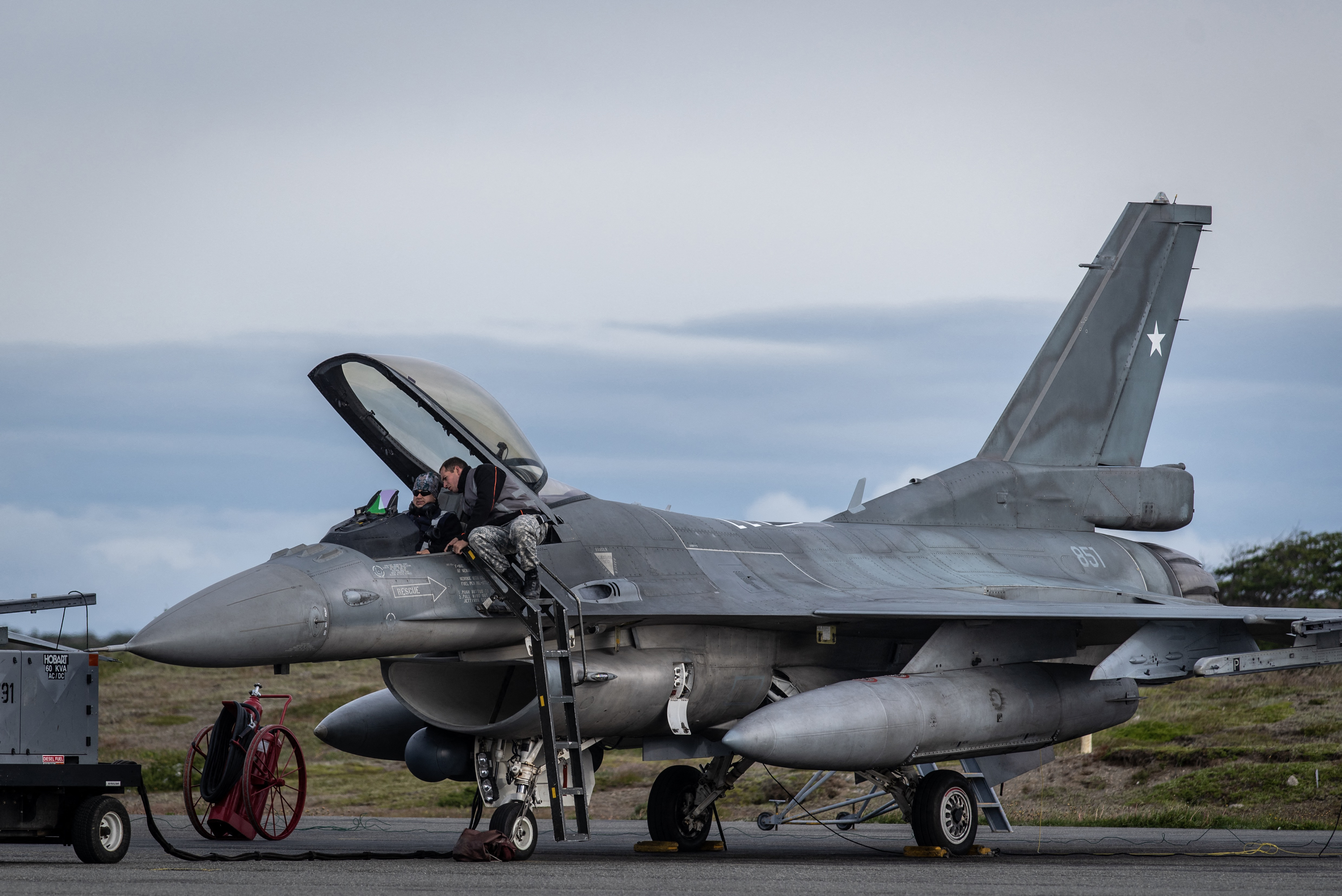
Did you know that military fighter jet pilots must learn to refuel while flying in the air?
Military pilot
A military pilot is a military service member who operates aircraft to transport soldiers or military gear to carry out missions. F-15 Eagles, Airbus A400M, F-16 Fighting Falcon, and UH-60 are just a handful of the planes you might get assigned to work with.
It takes two to three years to become a military pilot.
Firefighting pilots
Also known as air tanker pilots, they are responsible for using aircraft to fight wildfires and perform rescue operations.
Firefighting pilots often undergo intensive flight, ground, and line training, alongside learning about fire behaviour, weather, and human factors.
The time needed to become a firefighting pilot depends on where you’re learning and where you intend to work.
Aerial photography pilot
Aerial photography pilots take images from the air or fly a photography team over the site they want to photograph. Within the same field, there are aerial survey pilots. They perform data acquisition and mapping tasks while flying over an area.
It takes up to a year to become an aerial photography pilot.
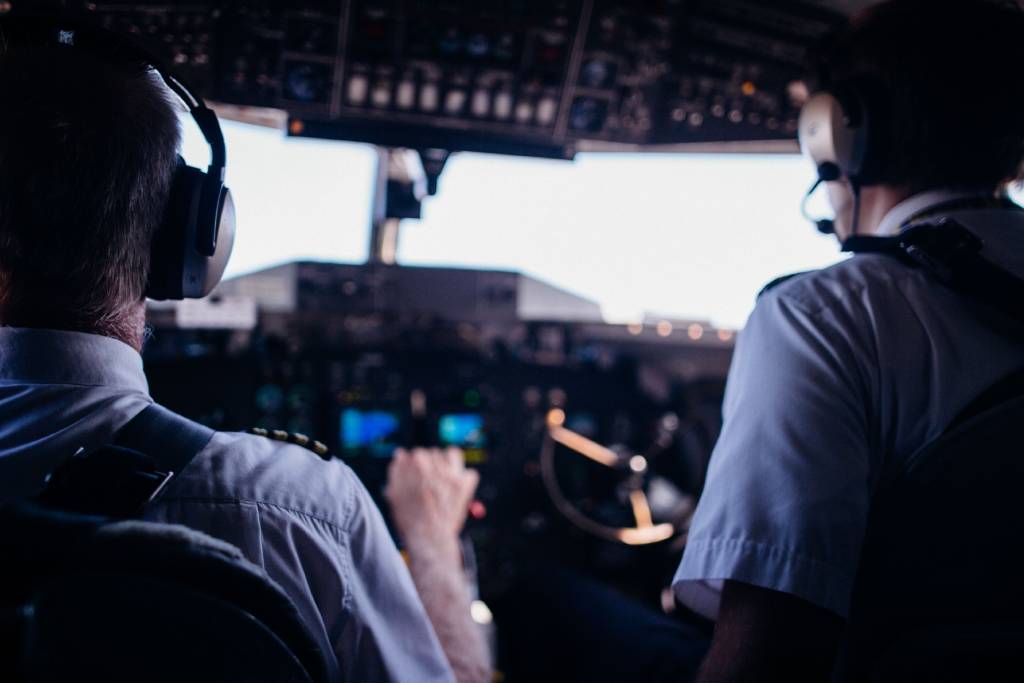
Training to become a pilot can take several years, longer than completing a bachelor’s degree, and even when you become one, climbing up the ranks can take over a decade or more. Source: K via Pexels
The hardest parts about training and being a pilot
Pilots face two huge challenges: financial investment and time commitment.
Financially, learning to be a pilot costs more than getting a bachelor’s degree. Depending on your training, it can cost from US$83,437 to US$150,000.
Once you’ve gotten your licence, you’ll be fighting to climb the ranks and working long hours to get from one place to another, naturally leaving you away from your family for an extended period. This means that you’ll also work when people are on breaks, like during the weekends and holidays.
It takes an average of five to 12 years — sometimes even 15 — before you get your first offer to be a captain of a prominent airline. Earnings-wise, you’ll start with an annual salary of US$48,000. The highest reported salary is US$133,000, but this can take years to achieve.
And as if that’s not enough, it’s a highly competitive job market to step into.
One Quora user emphasises, “Even after you’ve spent the money, got all your licences, and ticked all the boxes to qualify for an airline job, there’s no guarantee you’ll get a jet job. I’ve seen plenty of people do all the right things, and it ended up wasting time and money when no one would hire them.”
Still, that won’t stop the determined from pursuing their dreams of navigating the skies. If you’re one of the many, we outline what you need to begin your journey.
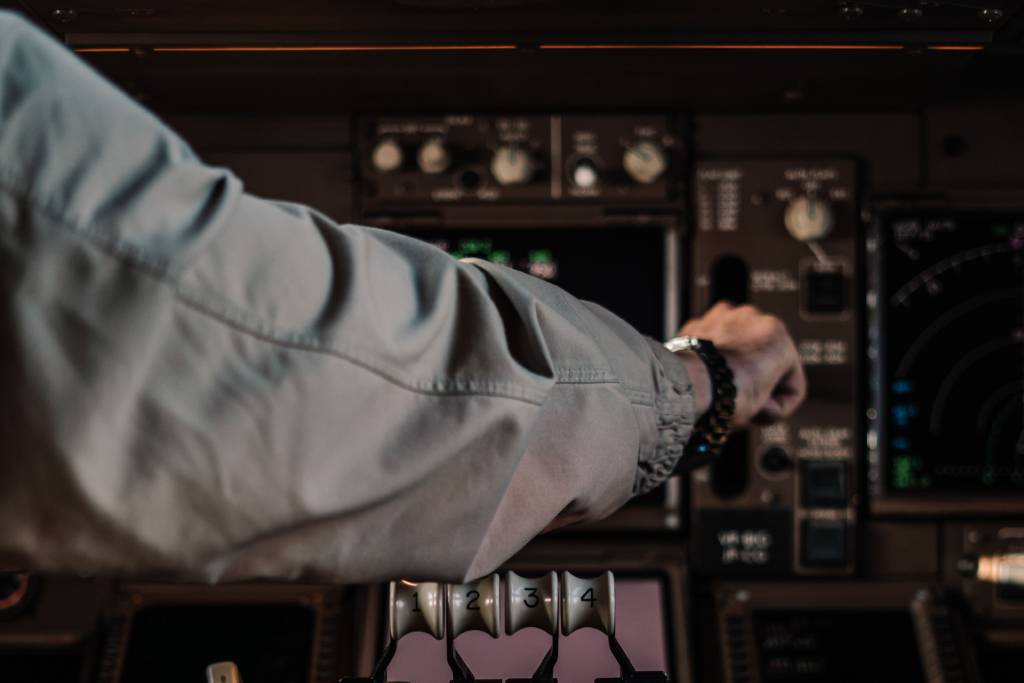
To fly a plane, pilots need to earn certificates or licences. The certifications require learning basic flight methods, aircraft manoeuvres, navigation, flight planning, and emergency training. Source: Nikita Grishin via Pexels
Basic requirements on how to be a pilot
Age
The minimum age to start your commercial pilot certificate is usually 18, but most airlines require applicants to be at least 21.
However, in some countries, such as the US, training can begin as early as 16.
Certification and Licences
Before officially becoming a pilot, getting a certification and licence is compulsory on how to be a pilot.
You can consider these certifications and licences:
- Student Pilot Certificate: This certificate allows you to fly solo under supervision. You must be at least 16 and complete the necessary application processes.
- Airline Transport Pilot (ATP) Certificate: The ATP certification is a prerequisite for most professional pilot positions, especially those entering the airline industry. It allows pilots to fly as captains or first officers, with opportunities within corporate or private air carriers.
- Commercial Pilot Certificate (CPL): This certification is necessary for pilots pursuing a cargo or commercial aviation career.
- Private Pilot Licences (PPL): This licence grants individuals the legal authority to fly small aircraft independently. It only allows you to fly for personal or non-commercial purposes.
- Instrument Rating Certificate: This special certification focuses on flying using only in-cockpit instruments, especially in low visibility or challenging weather conditions. This is acquired after completing a PPL and CPL.
- Multi-Engine Rating Certificate: This certification qualifies a pilot to fly as pilot-in-command (PIC) for any aircraft with more than one engine, and it’s a required certification for aspiring pilots to advance into commercial piloting.
Education
Pilots are often not required to complete a bachelor’s degree. However, a degree is typically needed if you’re looking to fly as a commercial or military pilot.
A degree in transportation, physics, aviation management, aeronautics, engineering, or business is recommended for a piloting career.
Completing high school degrees, such as the SATs, GCSEs, or IB, is compulsory.

You may be considered a disqualified applicant if you have received corrective eye surgery.
Medical and physical requirements
As your work involves handling the lives of other people — to get them to their destination safe and sound — you’ll need to adhere to and meet strict medical and physical requirements.
This includes undergoing a substance check, an eye exam, passing the Class One and Two medical certificates, having little to no history of bipolar disorder, anxiety disorder, depression, or self-harm, and having no medical conditions that cause dizziness, speech issues, and balance problems.
Total flight time
The flight time needed to become a pilot depends on the licence you’re working towards, the type of position you’re looking for, and the airline.
A PPL requires 40 hours to graduate, while a CPC and ATP require 250 and 1,500, respectively.
To become a second officer pilot, you’ll need typically 250 hours to 1,500 hours. Cathay Pacific prefers candidates with 1,000 hours and multi-crew cooperation experience. The same goes for Singapore Airlines.
The first officer position requires pilots to have 1,500 multi-crew flying hours on jet-engine aircraft; however, some airlines prefer 3,000 hours.
7 schools where you can learn how to be a pilot
North America
Western Michigan University
Located in Kalamazoo, Michigan, US, Western Michigan University‘s (WMU) College of Aviation offers a Bachelor’s in Aviation Flight Science for those looking to become pilots.
The school ranks #2 as the best aviation college in the nation and has the second-longest runway in the state. As a student of WMU, you’ll be working alongside the school’s partner airlines, which include Cirrus Aircraft, Duncan Aviation, ExpressJet, and more.
Key information
- WMU Aviation Flight Science Lab Fees (2025–26): US$83,795.
- Living costs: US$12,573 to US$15,098 per year for on-campus room and meal plans, depending on accommodation and dining choices. Aviation students may also stay at the Aviation House in Henry Hall.
- Admission requirements: Applications are accepted for the Fall intake only. All application materials must be submitted by the official deadline, as late or incomplete applications are not reviewed.
University of North Dakota
The University of North Dakota (UND) offers a traditional four-year BS in Aeronautics, where you’ll learn the science of airplanes and helicopters. Here, you’ll be trained to be the next generation of pilots for the airline, cargo, and corporate industries.
You’ll also earn an FFA commercial pilot certificate in single and multi-engine, alongside the instrument rating certificate. UND’s partner airlines include Delta Air Lines, JetBlue Airways, United Airlines, and more.
Key information
- Programme fees:
- BBA in Aviation Management: US$78,350 (Flight Track), US$22,331 (Airport Management Track), and US$675 (Air Transportation Track).
- BS in Aeronautics: US$10,250 to US$45,746 (Air Traffic Management), US$104,207 (Commercial Aviation), US$100,324 (Helicopter Operations), and US$65,673 to US$116,596 (UAS Operations).
- Living costs: Estimated annual expenses include US$5,646 for accommodation, US$5,744 for meals, US$800 for books and supplies, and US$3,446 for other living costs.
- Admission requirements: A minimum GPA of 3.25 (high school) or 2.60 (transfer) is required. Applicants must also submit an official high school transcript and senior course schedule.
Asia Pacific
Singapore Flying College
Nestled on the small island of Singapore, the Singapore Flying College (SFC) offers the CAAS Unmanned Aircraft Pilot Licence (UAPL) Training Programme, as of 2026.
Key information
- CAAS UAPL Training Programme fee:
- UAPL up to 7 kg: $1,598 Singaporean dollars (≈US$1,237)
- UAPL up to 25 kg: $2,698 Singaporean dollars (≈US$2,090)
- Living costs: $2,000 Singaporean dollars (≈US$1,549) per month
- Admission requirements: Applicants must be 16 years or older and be a Singapore citizen, permanent resident, or possess the appropriate visa or work/study permit.
Ardmore Flying School
Located in Auckland, New Zealand, the Ardmore Flying School (AFS) has professional, experienced instructors through well-maintained modern aircraft and stimulators to guide you on your journey to becoming a pilot.
AMS offers several diplomas, such as those in General Aviation, Airline Prep, or Flight Instruction. At the end of the programmes, you’ll receive a PPL and CPL.
Key information
- Programme fees: Programme fees include all training-related costs, such as flying fees, landing and airport fees, equipment, and administration fees. International students must also pay an additional international fee, together with medical and travel insurance. Applicants should contact the enrolment team for the latest programme costs.
- Living costs: $20,000 to $25,000 New Zealand dollars per year (≈US$11,650 to ≈US$14,563)
- Admission requirements: Applicants must be at least 18 years old, meet the English language requirements, and have a minimum NCEA Level 2 with English, Mathematics, and Science. Physics is desirable but not essential. Additional tertiary qualifications, supporting documents, and a cover letter are also required.
Emirates Aviation University
Emirates Aviation University (EAU), based in Dubai and part of the Emirates Group, is one of the world’s leading aviation institutions.
They are known for their industry integration, high graduate employability, and comprehensive programme.
At its recent 36th graduation, 379 students completed degrees across key aviation disciplines such as aviation management, aeronautical engineering, aircraft maintenance, logistics, safety and security, and technology.
This brings their total number of graduates to more than 26,500, with a 94% employability rate, highlighting the university’s success in preparing students for the aviation workforce.
The curriculum is designed to ensure students gain relevant skills and practical experiences that meet the demands of the aviation sector.
Undergraduate students even benefit from industry placements and internships within the Emirates Group.
Key information
- Programme fees:
- Undergraduate degrees and diplomas: 76,860 to 94,500 United Arab Emirates Dirham (≈US$20.928 to ≈US$25,731) per year
- Postgraduate programmes: 72,500 to 126,300 United Arab Emirates Dirham (≈US$19,741 to ≈US$34,390) per year
- Living costs: 3,500 to 6,500 United Arab Emirates Dirham (≈US$953 to ≈US$1,769) per month
- Admission requirements: Applicants who do not meet the minimum entry requirements may be required to take the EAU entrance exam or a non-credit remedial course. Those whose previous qualification was not taught in English must meet the English language requirement through IELTS 6.0, TOEFL iBT 79, the EAU English Test, or EAU’s Foundation English Course.
Europe and the UK
CAE Oxford Aviation Academy
The CAE Oxford Aviation Academy (OAA) has been training pilots in the UK as part of CAE Global Academy since 1963. The academy offers fully integrated CPL, PPT, instrument rating courses, cabin crew, and maintenance engineering programmes.
The CAE OAA has a second site three miles from Gatwick Airport; CAE Gatwick offers integrated ATP programmes, including aircraft and simulator training.
Key information
Lufthansa Aviation Training
Founded as a subsidiary of Lufthansa, the Lufthansa Aviation Training (LAT) is a flight academy that trains pilots, cabin crew, and technical staff. The academy offers several training programmes, including wet lease, dry, aircraft, helicopter, and AB Initio pilot training.
LAT has 12 training centres in Central Europe and North America, such as Berlin, Zurich, and Phoenix.
Key information
Disclaimer: This article was last updated on July 22, 2026.