For Muslims, being able to study, work, and travel abroad while practising their religion is unparalleled.
Everyone deserves to feel safe and included — and the hard truth is some countries do this better than others.
The most Muslim-friendly countries in the world today not only practise tolerance towards Muslims but also actively promote inclusivity and diversity.
The countries on the other end of the spectrum, however, do not.
TL;DR? Here’s the summary:
- This article features the 12 most Muslim-friendly countries for international students
- Anti-Muslim discrimination is rising sharply in the US, where CAIR recorded a record 8,683 complaints in 2025.
- Singapore tops the list of non-Muslim-majority destinations, backed by MUIS-certified halal food and strict anti-discrimination laws.
Experiencing racial discrimination and injustice can take a heavy emotional toll and trigger chronic stress.
Experiencing racial discrimination and injustice can take a heavy emotional toll and trigger chronic stress.
The types of discrimination towards Muslims
We have seen stories highlighting the challenges faced by Muslim students due to bias many times in the news.
Instances of Islamophobia, ranging from derogatory remarks to physical attacks, have been reported globally.
In 2024, the Council on American-Islamic Relations (CAIR) reported that nearly half of Muslim students surveyed at California colleges and universities had faced harassment or discrimination on campus within the year.
It’s the “worst wave” of anti-Muslim bigotry in 30 years, CAIR reports.
“In 2022, CAIR saw a significant drop in complaints. And we were hopeful. That hope was brought to a heartbreaking end in October 2023,” says Zahra Billoo, executive director of the Bay Area chapter of CAIR.
The significance of October 2023? Militant groups led by Hamas, the political and military organisation which governs Gaza, launched a surprise attack on Israel.
Billoo says the Israel-Hamas war set off a huge spike in anti-Muslim and anti-Palestinian sentiment, as well as hate crimes across the US.
Over in the European Union, things are looking equally grim — one in two Muslims in the EU face racism and discrimination in their daily life. There, young Muslims born in the EU and women wearing religious clothing are especially affected, reports the EU Agency for Fundamental Rights (FRA).
In the UK, anti-Muslim hate has more than tripled in the four months since Hamas’s attacks, reports Tell Mama, a leading agency monitoring anti-Muslim hate crimes. They documented 2,010 Islamophobic incidents between October 7 and February 7 — a significant rise from the 600 it recorded for the same period in 2022.
In the US, Council on American-Islamic Relations (CAIR)’s 2026 civil rights report recorded 8,683 discrimination complaints against Muslims in 2025, the highest single-year total the organisation has logged since it began tracking cases in 1996. States with the sharpest increases included Florida, Illinois, Minnesota, Oklahoma and Texas.
In October 2025, the EU Agency for Fundamental Rights updated its anti-Muslim hatred database, confirming that anti-Muslim incidents across the EU have continued to climb since October 2023, with the increase most pronounced in Austria and Belgium, extending into Bulgaria as well.
With hate speech on social media, physical assault, abusive behaviour, threats and acts of vandalism prevalent worldwide, it’s no wonder Muslim students need to exercise caution about where they choose to go to university.
After all, while not all incidents turn physical, there’s still a psychological toll to it.
Feeling unwelcome or being subjected to bias can lead to heightened stress levels, anxiety, and even a sense of isolation.
According to the National Institute of Health, discrimination experienced by international students can contribute to a decline in their mental health, which will affect their ability to engage in the educational experience fully.
As such, selecting Muslim-friendly countries that promote diversity, tolerance, and a welcoming environment is not just a matter of personal preference but a necessity for Muslim international students.
In fact, even celebrities have not been immune to discrimination. Take, for instance, the experiences of Zayn Malik, the world-famous former One Direction member.
He has openly discussed how Islamophobia has affected him personally and professionally.
He revealed instances of facing discrimination and prejudice in the music industry, with some questioning his abilities and potential based on his Muslim identity.
Such experiences serve as a reminder that discrimination not only affects everyday life for Muslim students but can also have an effect on their chosen fields of study and career paths.
As you embark on your journey to study or work overseas, being aware of these challenges and choosing Muslim-friendly countries that actively promote diversity and inclusion becomes not just a preference but a strategic necessity for a fulfilling and successful experience.
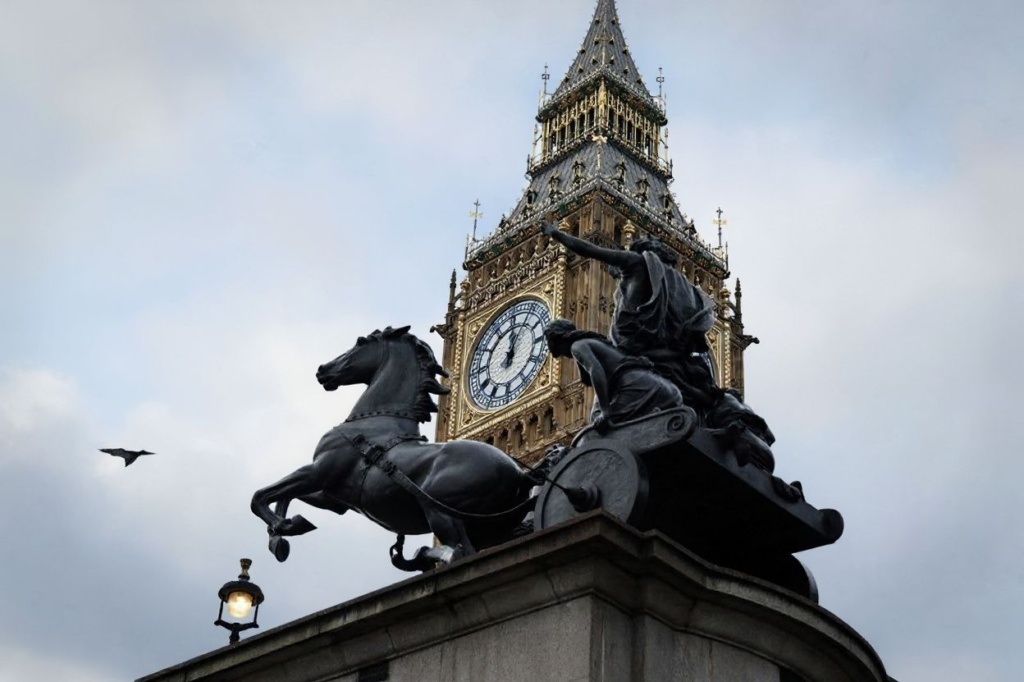
With four million Muslims in the UK (according to the 2025 census), there are many initiatives aimed at spreading awareness of Islamophobia.
9 most Muslim-friendly countries
Below are the most Muslim-friendly countries for students, chosen based on the following factors:
- The standard of living you’ll be able to experience as a Muslim in these countries
- Access to a range of cultures, traditions, and practices
- Economic development within the country
Top universities are identified according to the QS World University Rankings 2025.
1. UK
Top universities:
- Imperial College London (#2)
- University of Oxford (#3)
- University of Cambridge (#5)
The UK boasts the most multicultural capital in Europe. Students love it here — proven through London’s consistent first-place ranking on the QS Best Student Cities list.
While there is no specific law tackling Islamophobia, the UK has laws that cover hate crimes, online abuse, and equality motivated on the grounds of race or religion.
These include Part III of the Public Order Act 1986, the Crime and Disorder Act 1998, and the Online Safety Act 2023, to name just three.
As there are close to four million Muslims in the UK (according to the 2021 census), there are many initiatives aimed at spreading awareness of Islamophobia.
For example, the Muslim Council of Britain (MCB), one of the country’s biggest umbrella groups for Muslim organisations, has held a “Visit My Mosque Day.”
Thousands of people reportedly visited some 80 mosques, where believers “explain their faith and community beyond the hostile headlines.”
2. Malaysia
Top universities:
- Universiti Malaya (UM) (#60)
- Universiti Kebangsaan Malaysia (UKM) (#138)
- Universiti Sains Malaysia (USM) (#146)
With Islam being the official religion, the country is home to a large Muslim population.
Ethnic Malays, defined in the federal constitution as Muslims from birth, make up approximately 57.9% of the population, according to data released by the Department of Statistics Malaysia.
Life here is defined by a unique blend of Islamic traditions and diverse cultural influences from its significant populations of Chinese, Indian, and indigenous people.
The government actively promotes interfaith harmony and encourages tolerance among different religions, which allows non-Muslims to practise their faith without interference.
No matter where you are in Malaysia, it’s easy to find facilities separated for men and women, prayer rooms and mosques (complete with Quran and prayer mats), and halal (or pork-free) food.

Taiwan has been increasingly promoting a Muslim-friendly environment at home.
3. Taiwan
Top universities:
- National Taiwan University (NTU) (#68)
- National Tsing Hua University – NTHU (#210)
- National Cheng Kung University (NCKU) (#215)
Taiwan may not be the first country that comes to mind when you think about Muslim-friendly countries.
Lately, however, this first-world Asian giant is increasingly promoting a Muslim-friendly environment at home.
In 2023, Taiwan ranked third in the latest Global Muslim Travel Index (GMTI) report among non-Organisation of Islamic Cooperation destinations, just behind Singapore and the UK. Taipei City also won the “Most Promising Muslim-friendly City Destination of the Year (non-OIC)” for the first time. The annual report analyses data across nearly 140 countries to offer insights into which destinations best meet the needs of the growing halal travel segment.
But what does that entail, exactly? In short, it means more Muslim prayer rooms and bathroom facilities in tourist spots and public transport facilities.
The observation deck at Taipei 101, a skyscraper that was the largest engineering project ever in the history of the country’s construction business, even has a sign indicating the direction of Mecca.
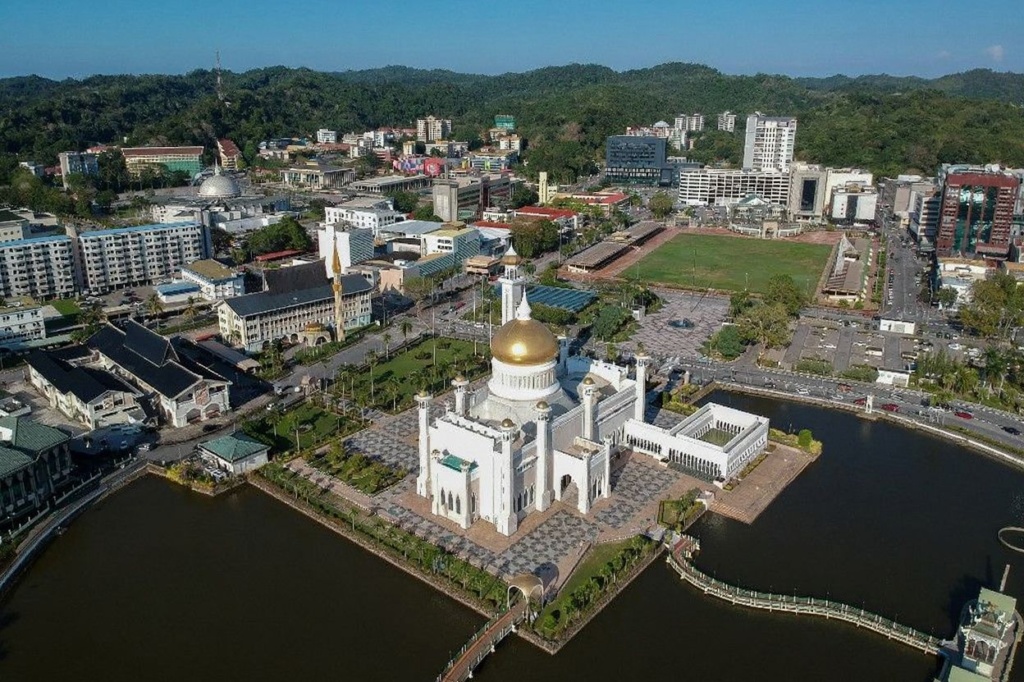
Most recently, Brunei has been ranked fifth among Muslim women-friendly destinations, as revealed by the Global Muslim Travel Index (GMTI) 2023.
4. Brunei
Top universities:
- Universiti Brunei Darussalam (UBD) (#385)
- Universiti Teknologi Brunei (#562)
Located on the island of Borneo, Brunei boasts one of Asia’s highest standards of living, with a strong economy based on oil and gas production. 82.1% of the population is Muslim, according to the US Department of State.
The country’s economic freedom score is 65.9 on the 2024 Index of Economic Freedom, making its economy the 43rd freest in the 2024 Index.
Every international student should note that Brunei runs on Sharia law — a body of religious law that forms a part of the Islamic tradition. Here, the law allows for corporal punishment, such as stoning, lashing, amputation, and the death penalty for certain crimes.
The country scored highly on faith restrictions, places of prayer, and airport services, but declined on destination marketing, connectivity, and enabling environment.
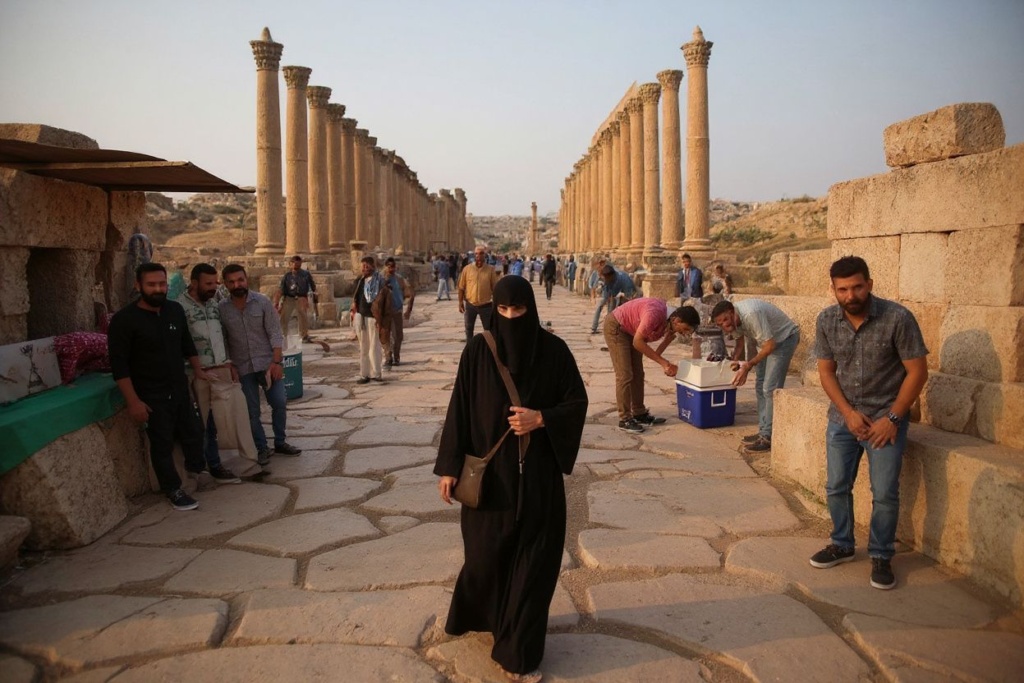
Jordan is a land of ancient wonders and modern progress, making it an ideal destination for those seeking to experience the perfect blend of tradition and innovation.
5. Jordan
Top universities:
- University of Jordan (#368)
- Jordan University of Science & Technology (#554)
- Al-Ahliyya Amman University (#801-850)
Another Muslim country that offers an exceptional standard of living is Jordan. As of 2022, 97.2% of the population of Jordan consists of Muslims.
Jordan is a land of ancient wonders and modern progress, making it an ideal destination for those seeking to experience the perfect blend of tradition and innovation.
The country’s rich history can be seen in its many archaeological sites, including Petra, one of the Seven Wonders of the World.
Over the years, Jordan has made significant strides in economic development with a stable political landscape that attracts international investors. Pursuing your studies here means being at the heart of a growing business scene — in fact, by September 2024, the country had attracted 1.3 billion Jordanian dinars (approximately US$1.8 billion) worth of foreign investments.
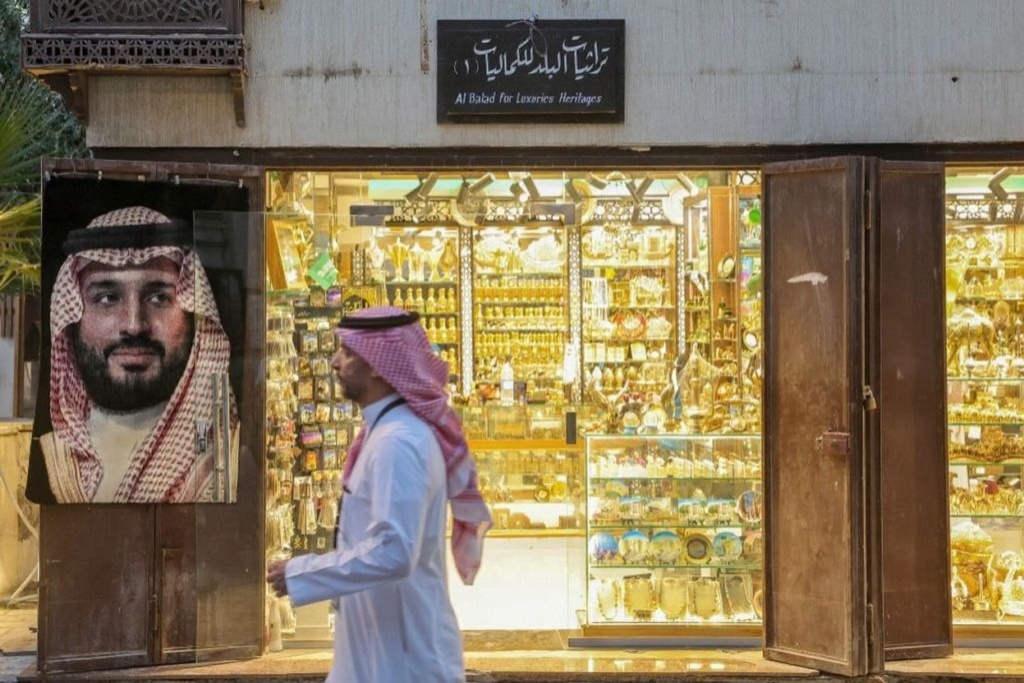
The country is home to some of the holiest sites in Islam, including Mecca and Medina, which attract millions of pilgrims annually.
6. Saudi Arabia
Top universities:
- King Fahd University of Petroleum & Minerals (#101)
- King Abdulaziz University (KAU) (#149)
- King Saud University (#200)
Situated in the Middle East, Saudi Arabia is widely recognised as the birthplace of Islam and holds immense religious significance for Muslims worldwide.
The country is home to some of the holiest sites in Islam, including Mecca and Medina, which attract millions of pilgrims annually.
Also, Saudi Arabia has a rich cultural heritage reflecting its Islamic roots and Bedouin traditions.
It hosts the Muslim World League and the Organisation of the Islamic Conference, institutions dedicated to preserving Islamic interests.
What’s more, more than a billion Muslims turn five times daily toward Makkah to pray, and millions visit the country to perform their religious duties for Hajj and Umrah in the holy city, as well as to complete various pilgrimage rituals at the Prophet’s Mosque in Madinah.
Beyond that, the Kingdom has an excellent range of quality education offerings — we cover that here.
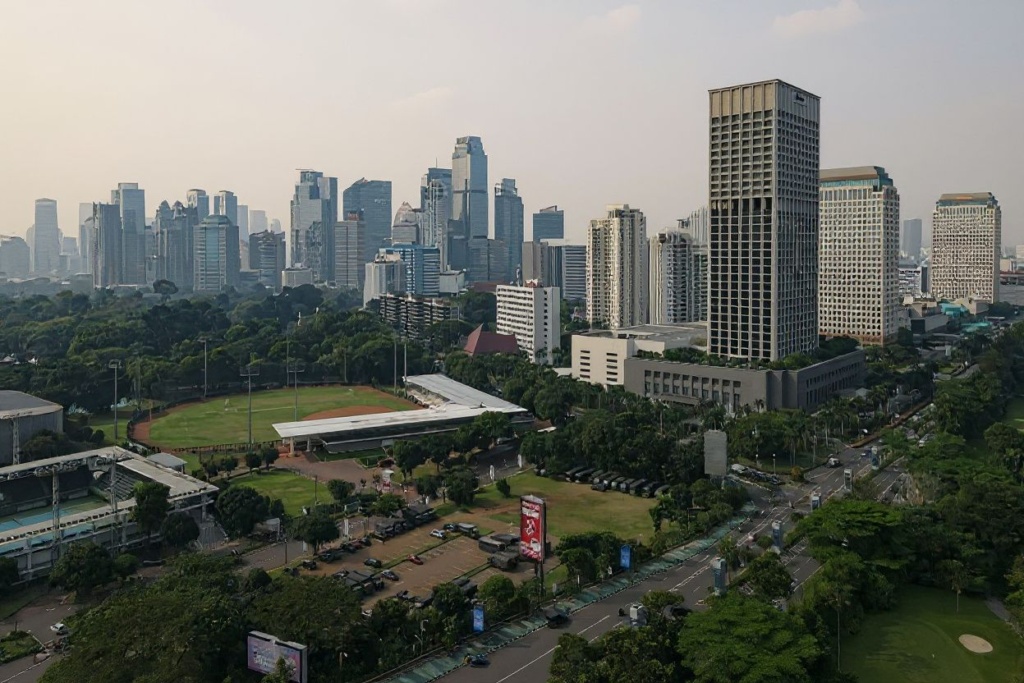
There are 1,300 ethnic groups and more than 300 languages spoken in Indonesia.
7. Indonesia
Top universities:
- Universitas Indonesia (#206)
- Gadjah Mada University (#239)
- Bandung Institute of Technology (ITB) (#256)
Indonesia is a Southeast Asian nation that prides itself on its diversity and tolerance — no small feat for a country with over 1,300 ethnic groups and more than 300 languages spoken.
This diversity is evident in many aspects of everyday life, from food to clothing to religious practices. Despite being the world’s largest Muslim-majority country, Indonesia has a reputation for religious tolerance.
The country recognises six official religions, including Islam, Christianity, Hinduism, Buddhism, Confucianism, and indigenous beliefs.
Although religion plays an important role in Indonesian society and politics, it does not define one’s identity or restrict personal freedom.
Most recently, Indonesia tied with Malaysia as the top destination for Muslim travellers in the Mastercard-CrescentRating Global Muslim Travel Index (GMTI) 2024.
Positioned at the crossroads of Europe, Asia, and Africa, this country enjoys world-class infrastructure, state-of-the-art facilities, and a tax-free regime, attracting many international companies seeking to establish their presence in the region.
Plus, the Emirati government’s commitment to diversifying its economy has led to significant investment in innovation and technology.
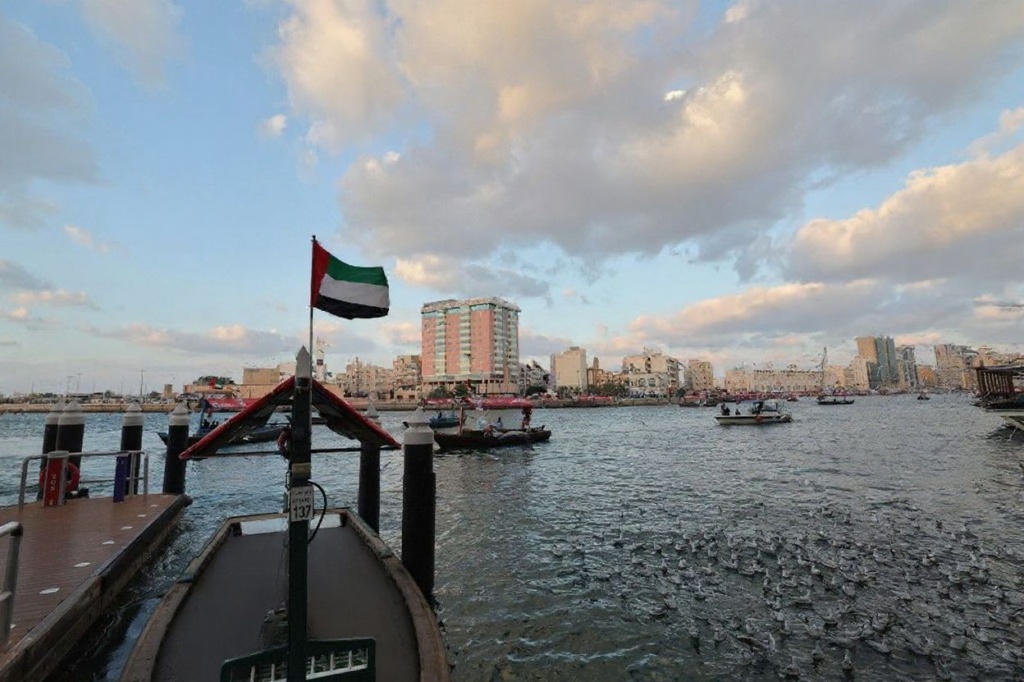
With free zones, business-friendly policies, and a hub for global halal tourism, the UAE is a friendly country for Muslims to live in.
8. United Arab Emirates
Top universities:
- Khalifa University (#202)
- United Arab Emirates University (#261)
- American University of Sharjah (#332)
The United Arab Emirates is home to over 200 nationalities. There are about 40 churches, two Hindu temples, a Sikh temple, and a Buddhist temple, which welcome multi-national congregations.
It’s a country that leads in global halal tourism. Visit the heritage areas and shops at the banks of Dubai Creek — here you’ll find some of the best Muslim-friendly things to do in Old Dubai.
Studying here means greater access to a job in the leading hub for trade and innovation in the Middle East.
The country boasts several free zones where expatriates and foreign investors can have full ownership of companies.
The Dubai Internet City (DIC) is home to over 1,400 technology companies that have helped transform Dubai into one of the most digitally advanced cities in the world — a perfect place for you to launch your career.
9. Singapore
Top universities:
- National University of Singapore (#8)
- Nanyang Technological University (#12)
- Singapore Management University (#511)
Singapore makes the list of the most Muslim-friendly countries, thanks to its emphasis on multicultural harmony and religious inclusivity.
When you study here, you won’t have to stress about finding halal food, as it is easily accessible across the island. From university canteens to shopping malls and restaurants, all certified by the Islamic Religious Council of Singapore (MUIS).
The country has strict laws against discrimination and hate speech, which ensures respect among people of all races and religions. You’ll see everyone living, studying, and celebrating together.
The low crime rate also means you can move around freely, even late at night, without worrying about your safety.
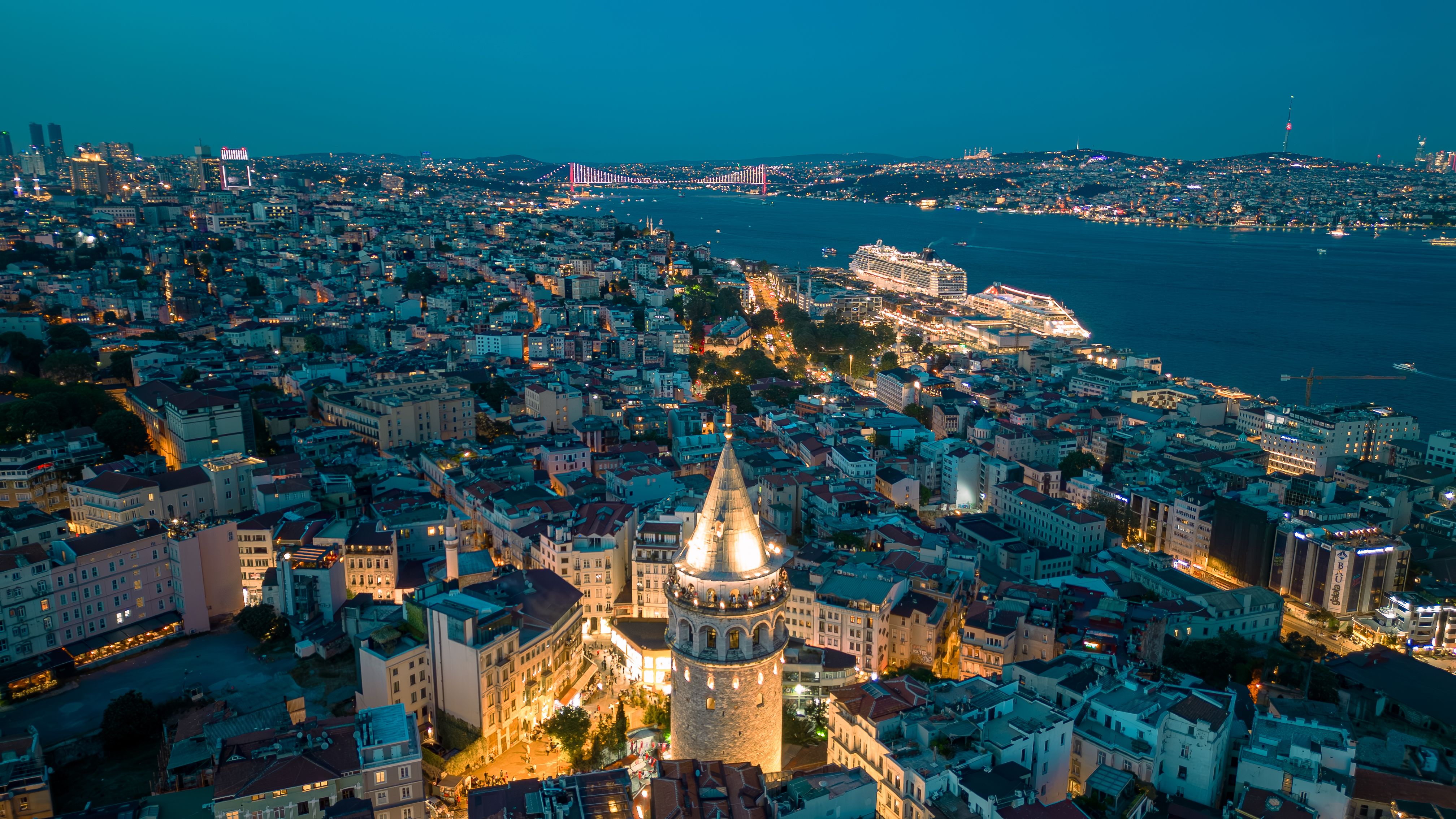
Turkey is a country where centuries-old architecture and modern city life coexist. Source: Pexels
10. Turkey
Top universities:
- Middle East Technical University (METU) (#305)
- Istanbul Technical University (ITU) (#279)
- Koç University (#329)
Turkey straddles Europe and Asia. Nearly 99.8% of its population of about 85 million is classified as Muslim.
Religious life is administered through the Diyanet, the state’s Presidency of Religious Affairs, which the US Department of State’s 2023 Report on International Religious Freedom confirms governs mosques, appoints imams, and manages religious education nationwide.
That same infrastructure carries over into how Muslim visitors experience the country: Turkey shared second place among OIC destinations in the 2026 Mastercard-CrescentRating Global Muslim Travel Index, scoring 79 points, according to Mastercard’s official newsroom release.
For students specifically, that accessibility extends to cost: tuition at Turkey’s public universities runs well below Western European rates, and programmes at institutions like METU and ITU are taught largely in English, drawing students from across the Middle East and Central Asia.
11. Qatar
Top universities:
- Qatar University (#109)
- Hamad Bin Khalifa University (#213)
Islam is Qatar’s official religion under its constitution, and that standing carries through to how the country performs for Muslim travellers: Qatar held steady at fifth place among OIC destinations in the GMTI 2026, scoring 76 points for its blend of faith-based infrastructure and international events.
For students, that same infrastructure shows up on campus. Qatar Foundation’s own website confirms that Education City in Doha hosts branch campuses of institutions including Carnegie Mellon, Georgetown, and Northwestern, alongside its own Hamad Bin Khalifa University, giving you access to globally recognised degrees within a Muslim-majority setting.
Beyond the classroom, Qatar’s General Tax Authority confirms that income tax is not imposed on individuals’ salaries, wages, and allowances, making the country a financially attractive base for students planning to work locally after graduation.
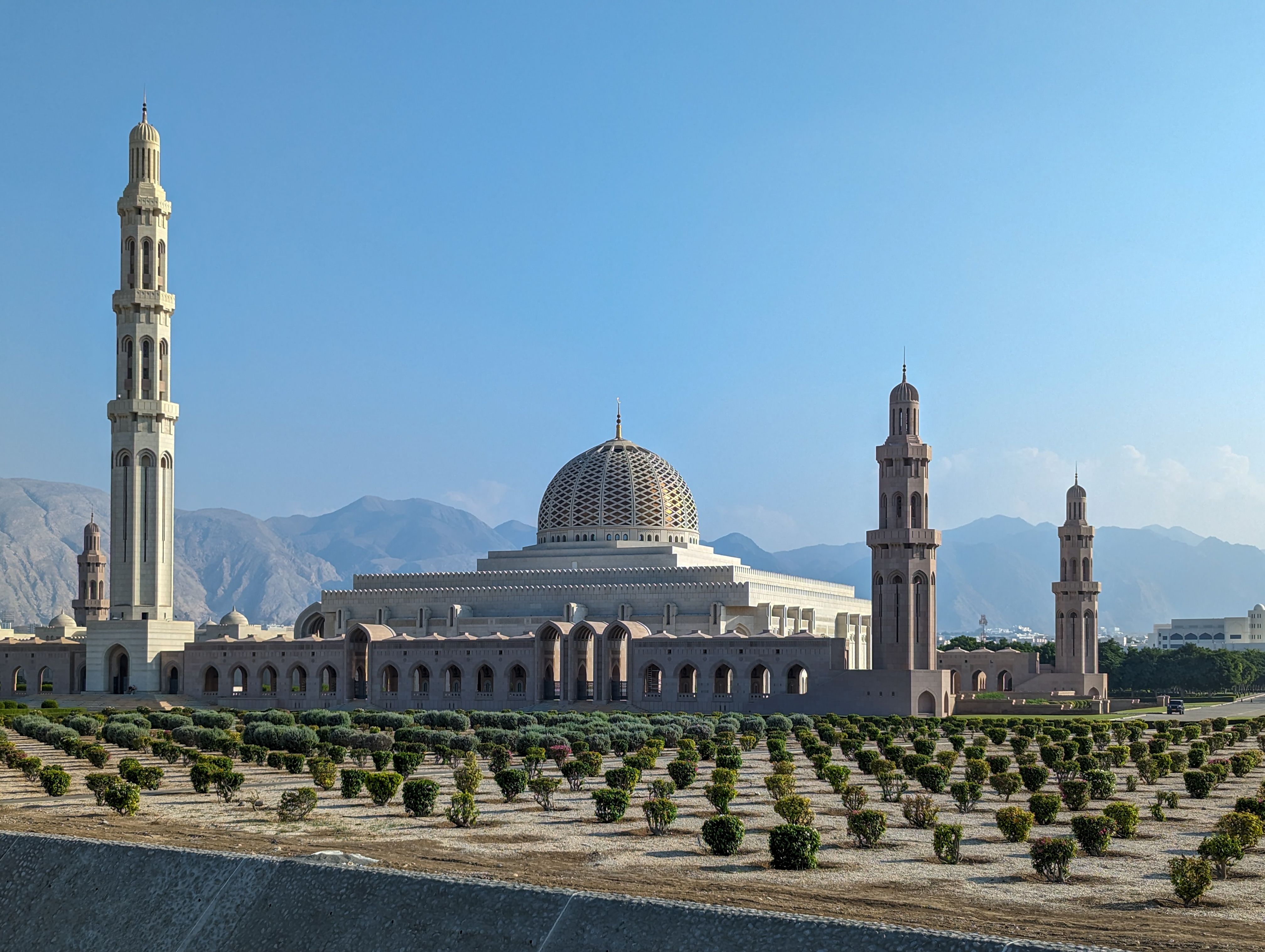
Oman’s mosques offer a peaceful glimpse into the country’s deep-rooted heritage. Source: Pexels
12. Oman
Top universities:
- Sultan Qaboos University (#306)
Sultan Qaboos University’s campus was built on an axis facing Mecca, with a mosque and prayer room included in nearly every building and separate sports facilities maintained for male and female students.
That same faith-centred design extends beyond the campus gates: Oman placed 10th globally in the GMTI 2026 with a score of 73, reflecting the Sultanate’s growing investment in faith-based tourism and hospitality infrastructure.
For students weighing up the numbers, living costs in Oman rank among the lowest in the Gulf, giving international students a more affordable route into Gulf-standard education and healthcare systems.
Frequently asked questions
Which country is the most Muslim-friendly for international students?
Malaysia has topped the Global Muslim Travel Index among OIC destinations for eleven consecutive editions, scoring 83 points in GMTI 2026. Indonesia climbed to joint second place in the same ranking, tied with Turkey and Saudi Arabia at 79 points. Both countries pair widespread halal certification with prayer facilities built into university campuses and shopping centres.
Is it safe for Muslim students to study in the UK or EU right now?
Reported anti-Muslim incidents have risen sharply since October 2023 in both the UK and EU, according to Tell MAMA and the EU Agency for Fundamental Rights. Both regions still enforce anti-discrimination laws that apply directly to hate crimes and harassment on campus. Checking a university’s specific support services for Muslim students, including prayer rooms and chaplaincy contacts, is worth doing before committing to an offer.
Which non-Muslim-majority country ranks highest for Muslim travellers and students?
Singapore leads non-OIC destinations in the Global Muslim Travel Index, ranking 11th globally in GMTI 2026 with a score of 72. The Islamic Religious Council of Singapore (MUIS) certifies halal food across the island, including university canteens and shopping malls. Singapore’s strict anti-discrimination laws apply equally to hate speech and workplace bias, reinforcing its reputation for religious inclusivity.
Disclaimer: This article was last updated on July 27, 2026.