Is diversity important in classrooms? When researchers combined 79 studies covering more than 56,000 students, they found a consistent pattern: when schools treat different backgrounds as something to learn from, kids feel like they belong and make real friends across cultures.
Most international schools in Asia have families who arrive from everywhere, yet the culture that fills the corridors and defines what success looks like often belongs to one group.
The three schools featured below do things differently. Each works to make every background visible in daily school life – in who teaches and how friendships form. They each have a unique approach but the conviction is the same: who your child learns beside matters as much as what they learn.
Hong Kong Academy is a non-profit IB World School offering an inclusive education from Pre-Kindergarten to Grade 12. Source: Hong Kong Academy
Hong Kong Academy
“We have found a place that invites and cultivates diversity – that celebrates differences of skin colour, of nationality, of ability.” That’s how one Hong Kong Academy (HKA) parent describes the non-profit international through-train school founded in 2000.
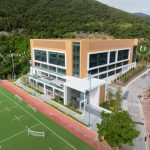
HKA is nestled within the vibrant community of Sai Kung and the breathtaking natural beauty of the Hong Kong coastline. It’s a setting that’s as dynamic as what’s inside its award-winning sustainable campus.
Here, students represent over 35 nationalities, with no single country dominating. It’s a key differentiator from other schools – and one that leads to an intercultural mindedness that AI cannot replicate. Right from first impressions, HKA students are intellectually curious, intrinsically motivated, and interculturally minded global citizens.
None of this is due to chance as HKA is intentionally diverse right from the start. One of its admission priorities is “students who bring diversity of nationality, ethnicity, religion, age, family blend, learning styles and needs, and gender.” And from Primary School itself, there is a focus on expression through more than one language – including specialist training for Mandarin – and the promotion of each child’s rights and responsibilities as citizens of the world.
There is already no shortage of research on how diverse classrooms empower children to achieve more. The story of HKA’s graduates adds another. These are students who have learned to think flexibly, consider various perspectives, and are able to speak to the impact that their actions have on the planet and other people – from a very young age.
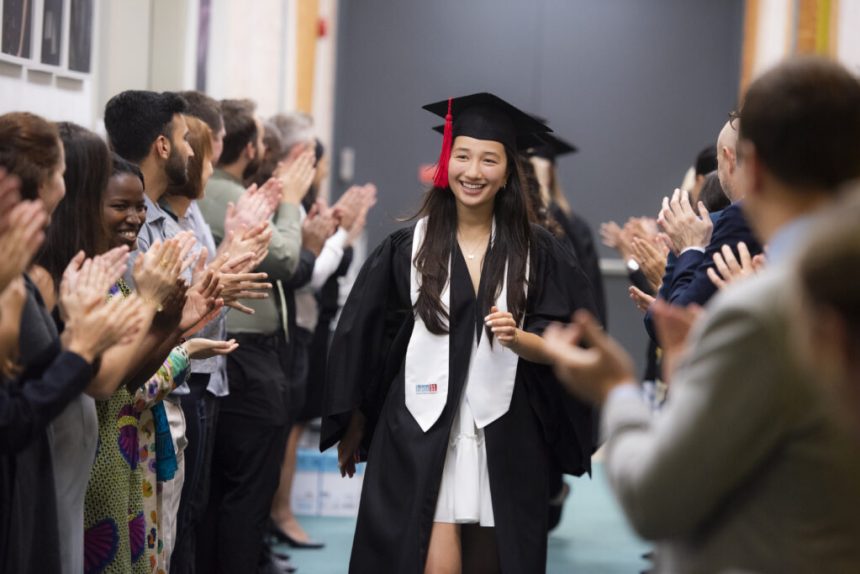
It’s a foundation that sets them up to graduate with not one, but three diploma credentials: the HKA Diploma, the Global Citizens Diploma, and the IB Diploma. When applying to university, this is a distinct advantage that sets them apart. HKA graduates have gone on to some of the world’s most respected universities, such as the University of Hong Kong, British and Irish Modern Music Institute (BIMM) Berlin, Birmingham University, and more. Learn more about Hong Kong Academy today.
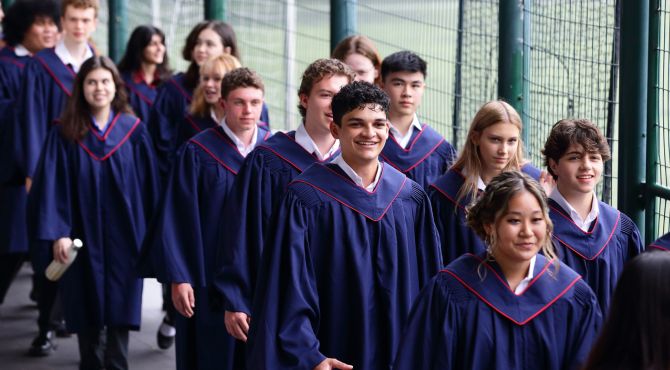
Tanglin secured three Gold awards at the Singapore Education Awards for a second consecutive year, including International School of the Year, Most Future-Ready Students, and The Curriculum Awards (British). Source: Tanglin Trust School
Tanglin Trust School
British-based curriculum tailored to Singapore, multiple pathways to university, over 100 years experience, a campus with 55 nationalities represented, not-for-profit, outstanding exam and placement results — these are the features that set Tanglin Trust School students for success in school, university and beyond.
Established in 1925, it is the oldest British international school in South East Asia, providing the English National Curriculum with an international perspective to children from three to 18 years old in Singapore. Its location amidst a tech hub, and the heritage and nature areas of Rochester Park and Wessex Estate, reflects the kind of education that takes place within campus: established, holistic and future-forward.
Here, sixth form pupils can choose the best pathway for them — Tanglin is the only international school in Singapore to offer both A Levels and the IB. Beyond the classroom, they make lasting friendships that cut across cultures, enhance physical prowess, and harness lifelong skills through the many arts, sports, outdoor education and co-curricular activities offered here.
There are over 140 teams competing in 17 different sports each year at home and abroad. Nearly one in four pupils participate in a music co-curricular activity, with high-quality ensembles, recitals, performances and exhibitions taking place throughout the year. Outdoor education trips — there are 80, including the International Duke of Edinburgh (DofE) Award, and the Creativity, Activity, Service (CAS) programme — further develop the initiative, adaptability, and leadership skills of students here.
The results of all these? Excellence. Tanglin students consistently outperform Singapore and global averages in exams. The Class of 2025 achieved a 100% and 99.6% pass rate for the IB and A Levels exams. They received offer from the likes of Oxford, Cambridge, Columbia, Duke, National University of Singapore, University of Toronto, and more.
As a not-for-profit school, tuition fees are dedicated to continuing this tradition of excellence. Learn more about the school that won three Golds in the Singapore Education Awards for the second year running.
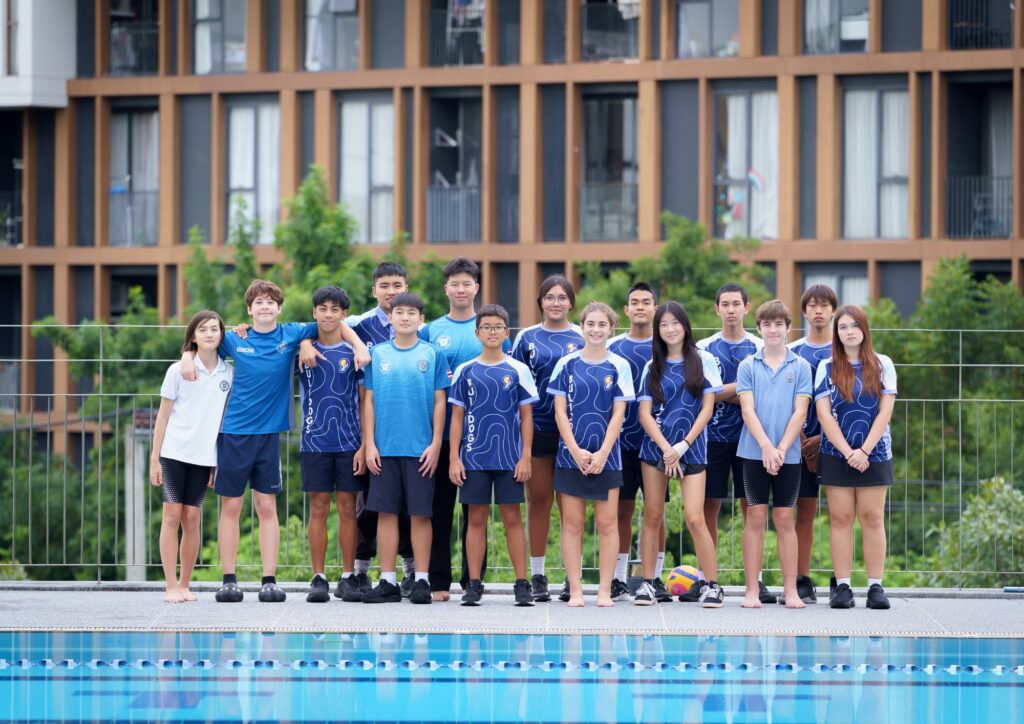
Bangkok Prep offers a stimulating international learning community where students are prepared for life and supported to realise their full potential. Source: Bangkok Prep/Facebook
Bangkok Prep
Every year, thousands of international families choose Bangkok as their home, creating one of the most diverse school communities in Southeast Asia. At Bangkok International Preparatory & Secondary School (Bangkok Prep), your child will learn alongside peers from over 50 nationalities.
This diversity has grown naturally over the school’s 20 years in Sukhumvit, one of Bangkok’s most cosmopolitan neighbourhoods. Walk through the campus on any given day and you’ll see students from different backgrounds learning and playing together. These everyday interactions help them become comfortable working with different perspectives and cultures.
That peer environment pairs well with a clear academic structure. The curriculum follows the English National Curriculum, adapted to reflect Thai culture and society, so your child gets a globally recognised foundation while staying connected to the region they’re growing up in. The structure runs uninterrupted from Early Years through to Year 13.
As your child moves through secondary, they will sit IGCSEs before entering the Sixth Form. There, the pathway opens up: A Levels, BTEC, or the Extended Project Qualification – a research-based credential that combines A Levels with an independent research project, giving universities a better view of their abilities than exam results alone. Few British international schools in Bangkok offer this number of options.
Bangkok Prep holds accreditation from the Council of International Schools (CIS), one of the most rigorous independent accreditation bodies in international education. It is also a member of the Federation of British International Schools in Asia (FOBISIA) and British International Schools Association (BISA), both recognised markers of quality by universities worldwide.
*Some of the institutions featured in this article are commercial partners of Study International