
Traffic is a nightmare pretty much everywhere, and trying to figure out a new public transport system can be seriously confusing. Walking might seem like an option, but it usually just takes too long.
For students, especially those in a new country, getting around can feel like a hassle. That’s where cycle-friendly cities come in.
Cycling is a super practical way to get around. It saves money since you’re not relying on buses, trains, or fuel all the time.
Plus, it helps you move around the city, get to your classes, and stay active — all in one go.
Quick tip for getting around cycle-friendly cities: grab a second-hand bike to save money, always lock it properly, and take some time to learn the local cycling rules — they’re not the same everywhere. Source: Jo Kassis via Pexels
What makes a city bicycle-friendly?
There are some countries and cities around the world that are better for bikes than others.
More than lines on the road
It’s not enough for a city to just sprinkle a few bike lanes around and call it a day. For cycle-friendly cities to really work, those lanes and paths need to form a proper network.
That’s exactly what makes separated bike lanes so effective; they lower the barrier to entry and make cycling a more attractive option for everyday travel.
A good network also includes off-street paths, often called greenways, that run through parks, along rivers, or even old railway lines.
Bikes get the green light first
If you’ve ever cycled through a busy intersection, you’ll know how stressful it can be. That’s exactly why cycle-friendly cities pay special attention to these spaces.
One way they do this is with bicycle signals, which let cyclists move first. This creates a safer gap between bikes and cars.
Designed with cyclists in mind
The best cycle-friendly cities are places that either design their streets with everyone in mind from day one or have made an effort to redesign their infrastructure to better accommodate cyclists.
To make this happen, local governments need to back it up with real investment.
Dedicated funding for cycling infrastructure is key, and when combined with bike-to-work schemes or grants for local bike businesses, it helps build a more sustainable cycling culture.
8 top cycle-friendly cities in the world
Utrecht, Netherlands
Utrecht claims the top spot in the 2025 Copenhagenize Index. The city spends around €63 per person on cycling each year, but more importantly, it builds cycling into how the whole city is planned.
There are over 100,000 bike parking spaces across the city, including the Utrecht Central Station, home to the world’s largest indoor bicycle parking garage.
And as the city grows, it’s doubling down on that approach. Through its Mobiliteitsplan 2040, Utrecht continues to prioritise bikes over cars.
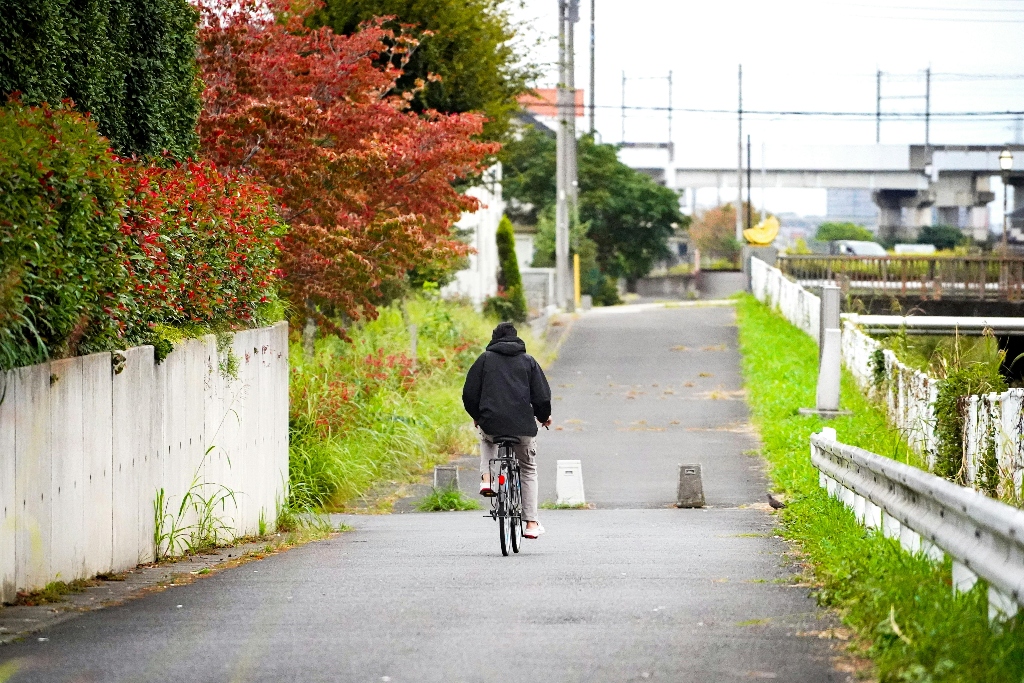
What makes Kyoto one of Asia’s most cycle-friendly cities? On streets like Oike-dori, the cycleway is integrated into a broad pedestrian walkway and clearly marked. Although pedestrians share the space, cyclists are able to navigate around them with ease. Source: Subhash Suryawanshi via Pexels
Kyoto, Japan
If you spend a bit of time in Kyoto, it quickly becomes clear why it’s considered one of Asia’s most cycle-friendly cities.
The streets are flat and easy to navigate. It also helps that you can find a bike to rent or buy almost anywhere.
What’s interesting, though, is that unlike many Western cities, there aren’t many dedicated bike lanes.
Instead, what makes cycling work here is the driving culture and strict regulations, like the ban on on-street parking and the rule that you can only own a car if you have a private parking space.
Copenhagen, Denmark
Rain, wind, and even snow doesn’t seem to stop anyone in Denmark from biking to work, running errands, or meeting friends. That’s because cycling here is part of the culture, shaped over more than a century since bicycles first appeared in the 1880s.
That culture is passed down early. Most Danish children learn before starting school. Even newcomers are encouraged to learn as soon as they arrive.
Of course, this level of cycling requires strong support. Denmark continues to invest in wide cycle paths, dedicated bridges, and expanding cycle superhighways to make cycling safer and more efficient.
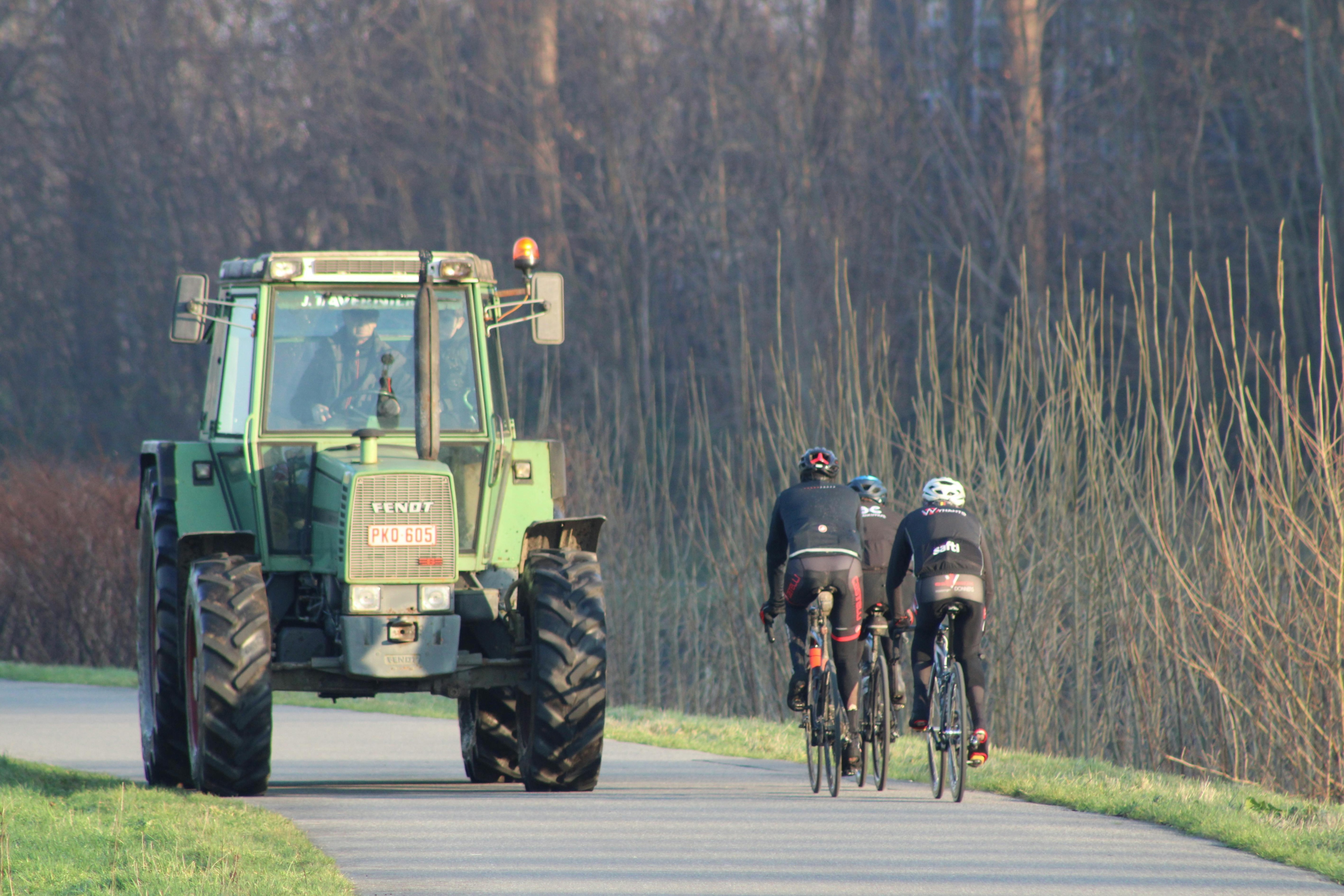
If you’re into cycling and sightseeing, Belgium is one of the cycle-friendly cities that has it all. Source: Fran Bambust via Pexels
Ghent, Belgium
It might sound like an exaggeration to say people in Ghent really really like bikes; but it’s not far off.
Cycling is a huge part of everyday life there, and it’s something the city has been working on for decades.
Since 1992, Ghent has built its cycling strategy on four key areas: infrastructure, parking, awareness, and governance.
That approach has transformed the streets, replacing oversized roads with more people-friendly routes and adding bridges and underpasses to improve safety.
It even introduced the country’s first bicycle street in 2011.
Paris, France
Driving in Paris, with lots of traffic, confusing streets, barely any parking, and strict speed limits, is kind of a nightmare.
For a long time, there wasn’t much space left for cyclists either. Today, however, it is one of Europe’s top cycle-friendly cities thanks to its 2021–2026 cycling plan.
The city has added 120 km of new cycle paths and made 52 km of temporary routes built during the pandemic permanent, building on its already large 1,000 km cycle network.
Xiamen, China
In many Chinese cities, cars have taken over, making it harder — and riskier — for cyclists to get from one place to another.
But things are starting to change. The rise of bike-sharing, growing frustration with traffic jams, and concerns about air pollution are pushing cities to rethink transport.
Some places are even going big with their solutions. In 2017, Xiamen opened a 7.8 km-long bicycle skyway that passes through the city’s three financial centres and five residential neighbourhoods, five-metres above traffic and congestion on the ground.
Seoul, South Korea
The South Korean government has been making a real effort to promote cycling in Seoul.
The city already has over 1,300 km of bike paths, and it’s planning to expand that to 1,483 km by 2026.
A big part of that push is also the public bike-sharing system, Ddareungi. The bikes have been popular, especially in central areas, with 2,762 rental stations and around 45,000 bikes.
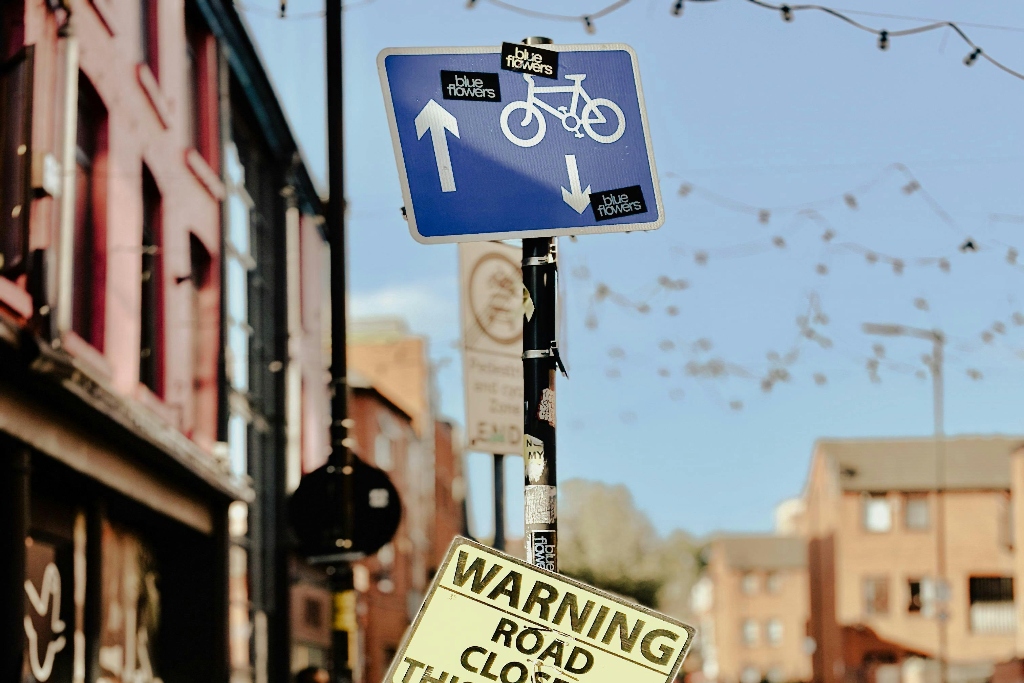
Germany may be full of cycle-friendly cities, but don’t get too comfortable. Its bike-path networks are some of the most complex in the world. Source: Arooh via Pexels
Münster, Germany
Did you know that there is a city in Germany with more bikes than people? That’s Münster, with 500,000 bicycles for 280,000 people.
It’s no surprise when you see how the city is designed. At the train station, you’ll not only find 3,500 parking spaces, but also a bike rental service, workshop service and a bike washing facility.
The Old Town is completely encircled by the “Promenade”, a car-free ring just for cyclists (and pedestrians).
It works like a bike highway, making it easy to reach places like universities, the Schloss, and the Aasee lake.
In addition to which, various possibilities are being tested with the aim of encouraging people to go by bike.
And the city keeps improving. Through its Vision Zero programme, Münster has added wider bike highways, bridges and tunnels for cyclists, slower car speeds, and clearer bike routes.
There are the little touches too, such as the “Green Arrow” sign at crossroads with traffic lights make it easier for right turns and footrests at traffic lights for cyclists to stop and start at traffic lights.
What universities are in the most cycle-friendly cities?
If you love the idea of studying abroad in a country where you can cycle around freely, here is a list of the universities in those aforementioned cycle-friendly cities.