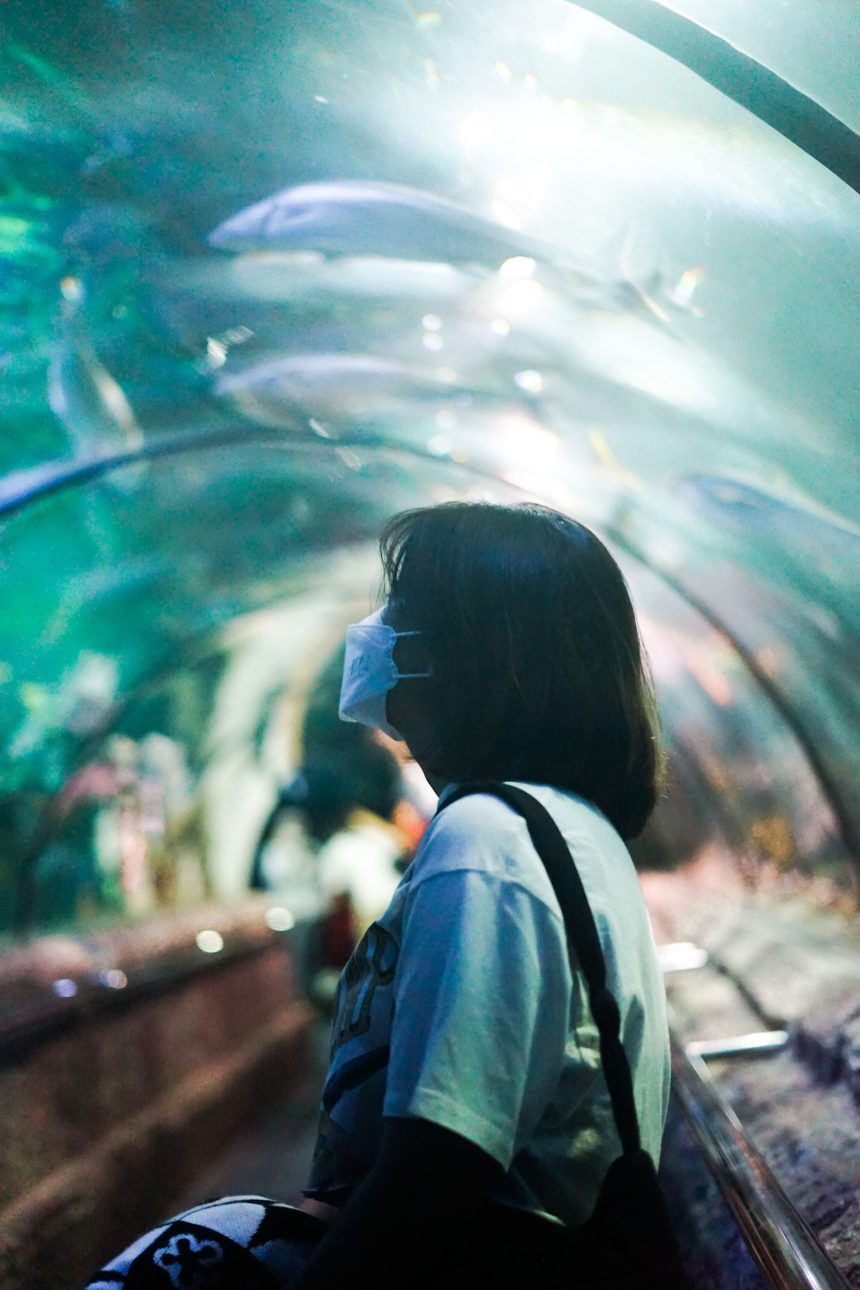
Aquariums are places of true majesty and magic. It’s no surprise that many children end up wanting aquarium jobs that allow them to be around sea creatures all day.
And for some, those dreams follow them into teenage years and, if they’re lucky, adulthood. So, if you’ve been dreaming of working in aquariums, here are some of the careers you can look at.
5 dream aquarium jobs for those who love marine creatures
Aquarist
Yes, there’s a job just called an aquarist.
This is the classic “aquarium job” — the person responsible for the daily care of the animals in a tank or exhibit. Aquarists monitor water chemistry, plan diets, track animal health and behaviour, and often dive to clean habitats or interact with larger species.
Entry-level aquarists typically start around US$35,000–US$50,000, while senior and curatorial-level aquarists can earn upward of US$95,000, according to industry salary data compiled from Bureau of Labour Statistics figures.
It’s worth knowing that aquarists fall under the BLS’s “zoologists and wildlife biologists” category, which reported a median salary of US$72,860 as of May 2024.
Many people are drawn to marine biology and aquarium jobs because the ocean represents one of Earth’s last great frontiers. Source: Labskiii via Pexels
Marine biologist
A close cousin to the aquarist role, marine biologists study the science behind ocean life — behaviour, reproduction, genetics, and ecology — often designing the research programmes that inform how aquariums care for their animals. Many aquariums run peer-reviewed research that feeds directly into global conservation work, meaning a marine biology career can take you from a tank in a public aquarium to fieldwork on a research vessel.
Marine mammal trainer
If you’re drawn to hands-on interaction, trainers use positive reinforcement to teach animals like sea lions and dolphins to participate voluntarily in their own medical exams, blood draws, and enrichment activities. It’s one of the most competitive corners of the industry, so real-world experience matters as much as the degree.
Zoo or aquarium veterinarian
For those more science-driven and willing to commit to a long educational runway, veterinary medicine is the most credentialed — and typically the highest-paid — animal-care path in the industry. As of April 2026, the average annual salary for a zoo veterinarian in the US sits around US$116,184, with top earners closer to US$128,000.
Curator
Curators oversee an entire animal collection or a specific department (fish, mammals, birds), managing staff and long-term collection strategy. It’s a management role that usually requires years of hands-on experience plus an advanced degree, and it pays a national average of around US$81,748.
Aquarium jobs that go beyond caring for the animals
Not every aquarium job involves a wetsuit. Aquariums also need:
- Educators
- Conservation programme coordinators
- Exhibit and collection managers
- Graphic designers
- Photographers
- Marketers
- Development directors who fundraise for new exhibits and conservation projects
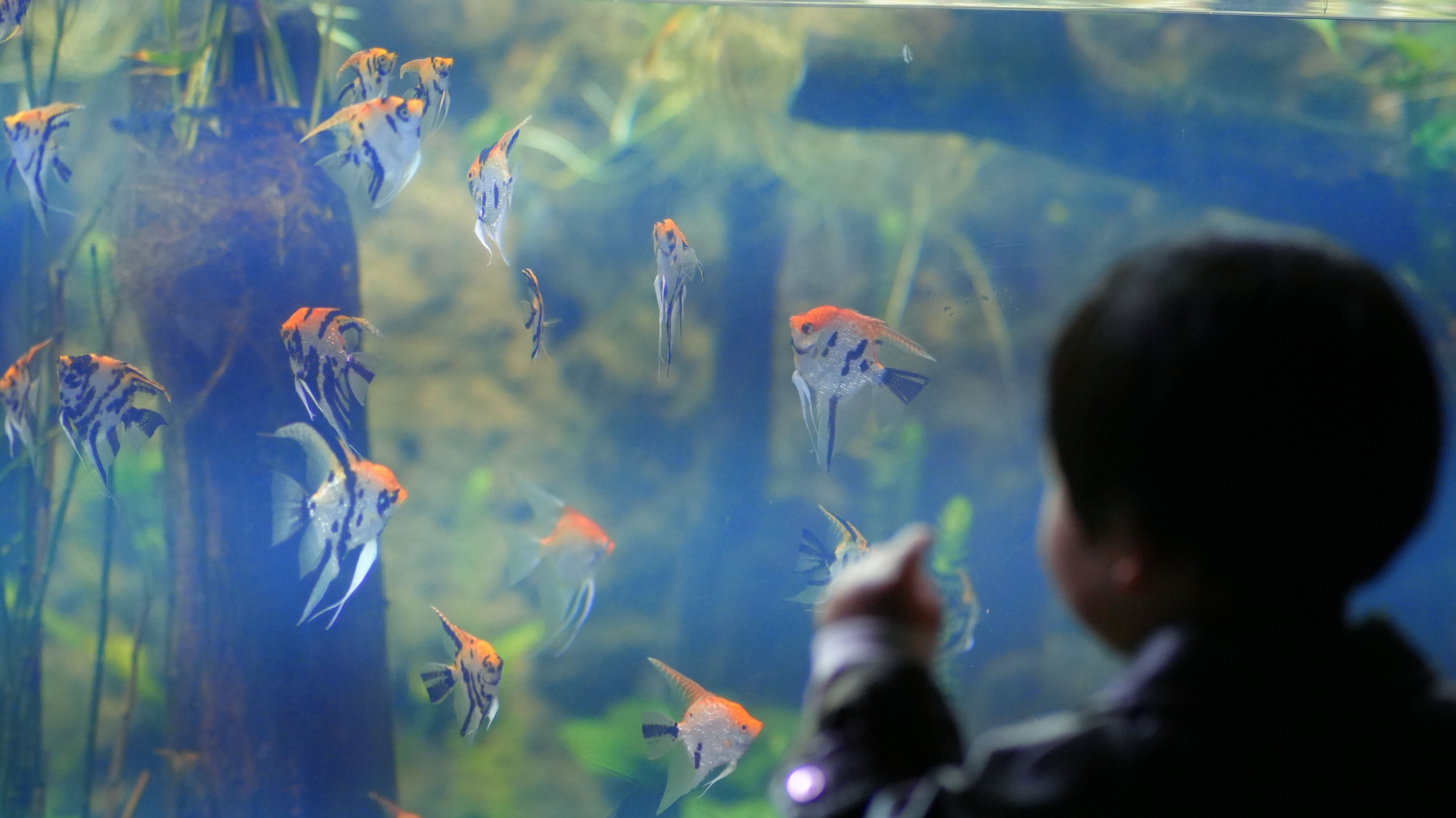
Aquariums also need guest services and retail staff to keep operations smooth and efficient. Source: Feng He via Pexels
What to study if you want to work in aquarium jobs
In high school
Start now. Lean into biology, chemistry, environmental science, and any marine- or animal-focused electives your school offers.
Join or start a club focused on conservation, animal science, or ecology — admissions officers and internship coordinators alike look for a track record, not just an interest.
If you can get scuba certified through a program like PADI or NAUI while you’re still in school, that’s a genuine head start, since diving certification is close to mandatory for hands-on aquarium roles later.
College degrees to go for if you want aquarium jobs
Most aquarium careers begin with a four-year bachelor’s degree. Strong choices include:
For research-heavy roles — think senior scientist, curator of research, or veterinarian — expect to need a master’s degree or PhD down the line.
But for many entry-level roles, including junior aquarist and animal care technician positions, practical experience through internships and volunteering can matter just as much as the degree itself.
Aquarium jobs and programmes you can do right now as a teenager in the US
You don’t need a diploma to start building your résumé. Aquariums around the world run structured teen programmes, most for ages 14–17, that can put “aquarium experience” on your CV years before your first job application:
Most of these programmes want an application, sometimes an interview, and a real commitment of hours across a summer or school year — treat the application with the same seriousness you’d give a part-time job, because in a competitive field, this is often where hiring managers first notice your name.
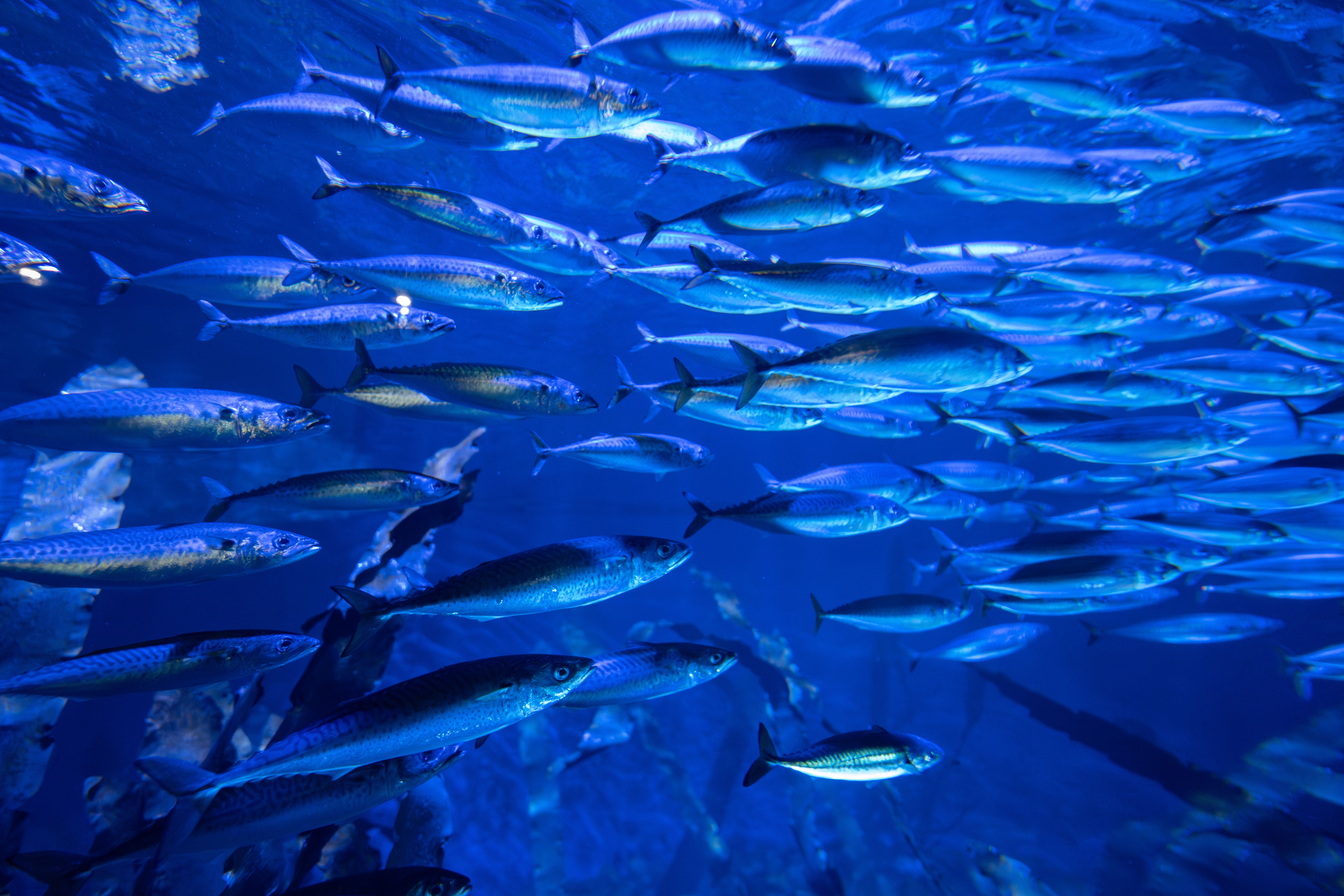
Aquarists can also work in pet stores. Source: Emilio Sanchez Hernandez via Pexels
Frequently asked questions about aquarium jobs
Are aquariums and zoos ethical?
This is a genuinely contested question, and there isn’t a single correct answer — reasonable people who care deeply about animals land in different places.
Critics argue that even well-run facilities can’t replicate the scale of the ocean, and that highly mobile or migratory species — sharks, whale sharks, and especially cetaceans like orcas and dolphins — can experience real physical and psychological stress in tanks. Some call it zoochosis (zoo psychosis).
Documentaries likeBlackfish pushed public opinion hard against keeping cetaceans in captivity, specifically, and much of the aquarium industry has moved away from that practice as a result. There are also legitimate questions about how animals are sourced, since some species are still collected from the wild rather than bred in captivity.
However, supporters point out that accredited institutions — those certified by bodies like the Association of Zoos and Aquariums (AZA) — are held to enforced standards for animal welfare, and that many aquariums now function as genuine conservation and research organisations, running breeding programmes for endangered species and rehabilitating injured or stranded wildlife before release.
Aquariums also argue that seeing a shark or octopus in person, rather than in a documentary, is what turns kids into the marine biologists and conservationists of the next generation. Many people working in ocean conservation today trace their interest back to a childhood visit to an aquarium.
If you want a practical filter: look for AZA accreditation (or the equivalent in your country), check whether an institution highlights research, rescue, and breeding programmes rather than only entertainment, and pay attention to how it talks about species that are especially hard to keep well in captivity, like cetaceans.
What are the best aquariums in the world?
Depends what you’re ranking for — sheer scale or overall experience — but a few names show up again and again:
- Chimelong Ocean Kingdom (Zhuhai, China) — currently holds Guinness World Records for the world’s largest aquarium tank and biggest underwater viewing dome, and houses whale sharks, manta rays, and beluga whales.
- Georgia Aquarium (Atlanta, USA) — the largest aquarium in the Western Hemisphere and the only aquarium outside Asia to house whale sharks.
- Singapore Oceanarium (formerly S.E.A. Aquarium) — one of Asia’s most immersive marine attractions, known for its scale and conservation focus.
- Okinawa Churaumi Aquarium (Japan) — famous for the Kuroshio Sea tank, where you can watch whale sharks and manta rays together.
- Monterey Bay Aquarium (California, USA) — smaller than the mega-aquariums above, but widely respected for its Pacific Ocean exhibits and genuine conservation research.
- L’Oceanogràfic (Valencia, Spain) — Europe’s largest aquarium complex, spanning nine underwater towers across the City of Arts and Sciences.
- Nausicaá (Boulogne-sur-Mer, France) — Europe’s largest aquarium by another measure, home to more than 58,000 marine animals.
What’s the highest-paying job in the aquarium industry?
Veterinary medicine tends to top the list. Zoo and aquarium veterinarians in the US currently average around US$116,184 a year, with top earners around US$128,000 — reflecting the years of schooling (a bachelor’s degree followed by a Doctor of Veterinary Medicine) and the on-call, high-responsibility nature of the job.
Just behind veterinarians sit senior institutional roles that aren’t strictly animal-care jobs at all: development directors, who lead fundraising for an aquarium’s operations and conservation projects, can earn upward of US$126,000.
At the very top, aquarium and zoo directors — who combine years of curatorial or scientific leadership with executive responsibility for an entire institution — typically out-earn all of the above, though exact figures vary enormously by institution size and location.
The takeaway: if a high income is the priority, the veterinary and executive-leadership tracks pay the most, but they also require the longest educational runway. If getting your hands wet (literally) matters more to you than the paycheck, the hands-on animal-care path still offers a genuinely rewarding — if more modestly paid — way into the field.