Adaptable. Collaborative. Academic excellence.
These are the qualities that define the University of Manitoba’s (UM) graduate students. But these qualities don’t happen by chance; they’re the result of an educational experience designed with purpose. The Faculty of Graduate and Postdoctoral Studies is a leader in graduate education and professional development, creating opportunities for its graduate students to excel in their fields while contributing to society at the local, national, and global levels.
It’s this supportive and growth-focused environment that convinced Mark Tachie that the university was the right place for his graduate studies. “I wanted to be part of a community that values learning, innovation, and making a difference,” he says. “It felt like a place where I could grow both academically and personally.”
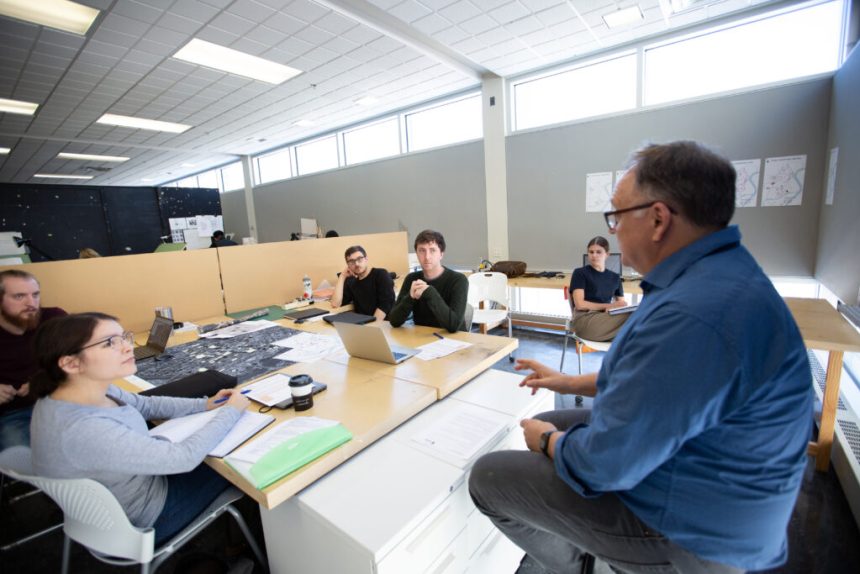
Connect with peers from around the world as part of UM’s graduate community of over 3,600 students, including 1,200+ international students. Source: University of Manitoba
Your graduate journey, your way
Every graduate journey is different. Here, there are not only more than 150 graduate programmes across the university’s 14 faculties to choose from.
Individual departments/units may also offer master’s programmes in one or more of the following formats: Thesis/practicum-based; Course-based; Comprehensive Exam; Project; or Major research paper. Tachie chose to join the Price Faculty of Engineering’s Department of Mechanical Engineering and pursue the thesis route.
Your biggest supporters
Tachie appreciated how flexible the faculty was. But ask him what stood out most about his experience, and he’ll tell you it was the people. “The faculty have been incredibly supportive and approachable. They’ve challenged me to do my best while always making time to offer guidance and encouragement,” he shares. “I’ve built meaningful personal relationships with professors who genuinely care about their students.”
It’s an experience many students share. Faculty mentors and graduate support staff continually develop their skills to provide thoughtful, inclusive guidance tailored to support student goals and aspirations.
The graduate experience is by students, for students. The University of Manitoba Graduate Postdoctoral Society (UMGPS) and the Health Sciences Graduate Students’ Association (HSGSA), for example, are student-governed associations that advocate for the needs of the graduate community and organise events that build a more inclusive community to support the graduate journey.
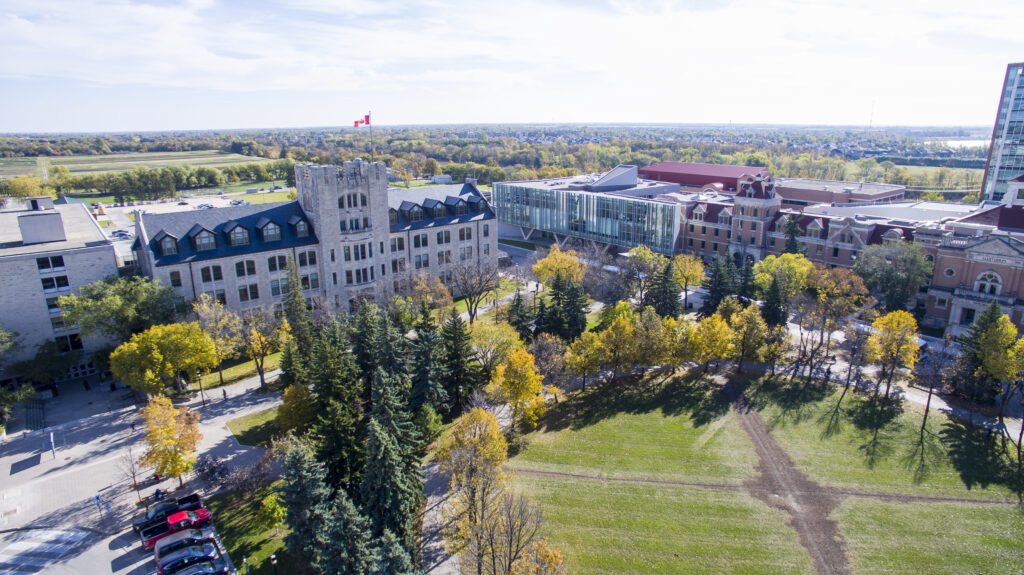
UM has two main campuses: Fort Garry and Bannatyne. There are satellite locations across Manitoba and research sites around the world too. Source: University of Manitoba
Learn. Do. Grow.
What you learn matters, but so does what you do with it. That’s why experiential learning is a key part of studying at UM. In 2026 alone, 57,000 curricular and co-curricular experiential learning opportunities connected students with hands-on learning experiences.
“What makes my programme unique is how it combines strong academics with opportunities to apply what we learn in real-world settings through student clubs and competitions, conferences, and more,” says Tachie. “One of the most impactful experiences was taking a graduate-level engineering course that emphasised advanced programming and computational problem-solving. It strengthened my coding skills and taught me how to build efficient, scalable solutions — skills that have been just as valuable in industry as they are in research.”
There are 12 types of experiential learning opportunities. One example is Co-operative Education, where students alternate between their studies and paid, full-time, supervised work placements in fields related to their degree. Graduate students also have options to pursue graduate education with practicums embedded in the programme.
Your graduate community awaits
The people around you can shape your graduate experience just as much as your classes. “The UM community is welcoming, diverse, and supportive,” Tachie explains. There are plenty of opportunities to connect with students and researchers from different disciplines through professional development programmes, campus events, and collaborative initiatives. “I’ve met people from many different backgrounds, and those connections have made my university experience much more meaningful,” he adds.
For Tachie, graduate school was about challenging himself and making every experience count. His dedication culminated in receiving the Distinguished Master’s Thesis Prize, an annual award that celebrates master’s graduates whose research has made a significant academic contribution. Now, he’s excited about what’s ahead. “I hope to build a career where I can keep learning, contribute to my field, and make a positive impact. UM has given me the knowledge, confidence, and opportunities to move toward those goals,” he says.
Follow the University of Manitoba’s Faculty of Graduate and Postdoctoral Studies on X and Facebook or join our virtual open house on November 24th, 2026: register here.