Iran Offers to Reopen Strait of Hormuz Within 48 Hours as Trump Warns of Possible Military Strikes
Sanctions relief and frozen assets among Tehran's demands

Iran has offered to restore security and reopen the strategically vital Strait of Hormuz within two days, but only if Washington agrees to key demands, including lifting sanctions and releasing billions of dollars in frozen Iranian assets.
Iran has signalled a possible diplomatic opening with the United States by offering to restore access through the Strait of Hormuz, one of the world’s most important energy shipping routes. However, Tehran has tied the proposal to conditions that could prove difficult for Washington to accept.
Iranian Foreign Ministry spokesperson Esmail Baghaei said on Monday that the country could implement its proposed plan within two days if its demands were accepted.

“If Iran’s legitimate demands are accepted and implemented, it would be possible to put the entire plan into operation within two days, restore security to the Strait of Hormuz and initiate the negotiation process,” Baghaei said, according to reports cited by international media.
He added that the outcome depended on Washington’s willingness to make a decision.
Iran Demands Sanctions Relief and Release of Frozen Assets
Among Tehran’s central demands are the removal of US economic sanctions and the release of billions of dollars in Iranian assets frozen under international restrictions.
The demands reflect Iran’s longstanding position in negotiations with Western governments. Tehran has repeatedly argued that sanctions relief and access to its overseas financial resources must form part of any meaningful diplomatic settlement.
For Washington, however, accepting these conditions could carry significant political and strategic consequences, particularly while tensions remain high and military options have not been ruled out.
The proposal does not necessarily represent a final peace agreement. Instead, it could provide an opening for negotiations over maritime security, economic restrictions and the wider conflict.
Why the Strait of Hormuz Matters to the Global Economy
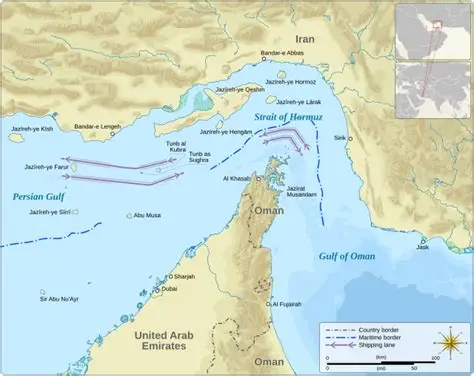
The Strait of Hormuz is a narrow maritime passage connecting the Persian Gulf with the Gulf of Oman and the Arabian Sea. It is a critical route for international energy shipments, particularly oil and liquefied natural gas exports from Gulf producers.
Around one-fifth of global oil consumption passes through the waterway, making it one of the most strategically important shipping chokepoints in the world.
Any disruption to traffic through the strait can affect oil supplies, shipping costs, insurance premiums and energy prices across international markets.
Countries in Asia are particularly exposed to disruptions because a substantial share of their imported energy comes from the Middle East. A prolonged interruption could therefore create economic pressure far beyond the region.
Reopening the waterway could ease concerns in energy markets, although a lasting recovery in shipping activity would also depend on security guarantees and confidence among commercial shipping operators.
Trump Warns Iran Could Face Further Military Action
The diplomatic proposal comes amid increasingly forceful statements from US President Donald Trump.
Speaking at a rally in Iowa on Saturday, Trump suggested that he had so far held back from taking further action against Iran but warned that a tougher response could eventually follow.
“The only reason why I’m not finished with Iran is I want to be nice. I want to try and save all those lives if I can,” Trump said. “But at some point we’re going to have to give them the hammer.”
His remarks have added uncertainty to diplomatic efforts, particularly after reports that Washington is considering the possibility of renewed military operations against Iranian targets.
The possibility of further US strikes also raises concerns about a wider regional confrontation, potentially affecting energy infrastructure, maritime traffic and neighbouring countries.
Qatar Emerges as a Key Diplomatic Channel
Qatar has continued to play an important intermediary role as efforts to restart negotiations gather pace.
An Iranian delegation recently travelled to Doha as part of diplomatic efforts aimed at preventing another escalation. The discussions reportedly involved attempts to revive communication between Tehran and Washington.
US Vice President JD Vance also reportedly sent a letter to Iranian security official Mohsen Rezaei through Qatari mediators last week, seeking to reopen the path towards negotiations.
Iranian Foreign Minister Abbas Araghchi described the American outreach as a “positive step” in an interview with Al Jazeera on Saturday.
However, Araghchi also cautioned that Washington’s intentions mattered, warning that using the communication to create divisions would represent another mistake.
The involvement of Qatar highlights the importance of regional intermediaries in maintaining communication between countries that remain deeply divided.
What Happens Next?
Iran’s proposal presents Washington with a difficult choice: consider economic concessions as part of a diplomatic arrangement or maintain pressure while the risk of renewed confrontation remains.
Even if both sides agree to resume negotiations, several major issues could complicate progress, including sanctions, frozen financial assets, regional security arrangements and guarantees for commercial shipping.
For global energy markets, the immediate question is whether the proposal can translate into a reliable reopening of the Strait of Hormuz.
For now, Iran has presented a possible route towards restoring maritime security, but its implementation depends on political decisions in Washington and the willingness of both governments to pursue negotiations.
The coming days could prove significant in determining whether diplomatic engagement gains momentum or tensions move towards another military confrontation.
Editorial note: Attribute the original reporting to the outlets cited in your source, including The New York Times and Al Jazeera. The supplied material is copyrighted, so use your own article wording rather than reproducing its text. Also, don’t describe the strait as fully reopened: this is a reported conditional offer, not confirmation that shipping has resumed.